
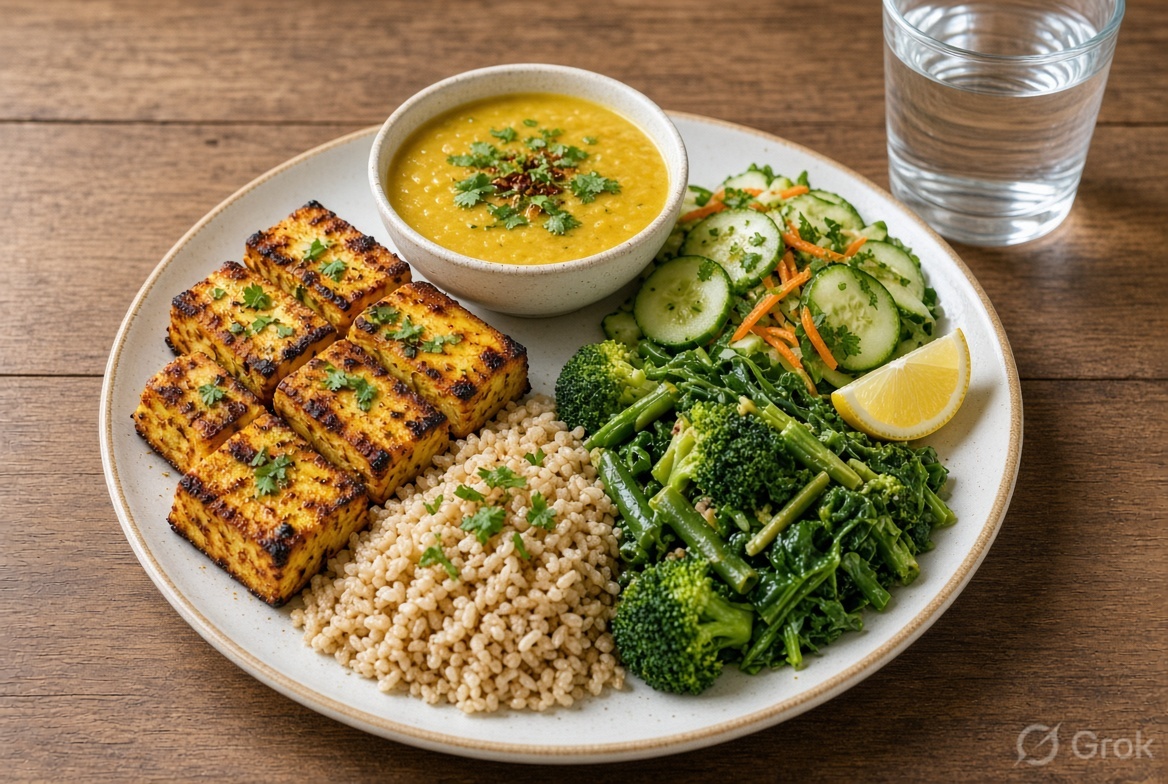
Best Foods for Weight Loss
Losing weight does not require expensive supplements or extreme crash diets. The most sustainable way is to eat foods that keep you full for longer, stabilise blood sugar, and create a mild calorie deficit without constant hunger. When hunger is controlled, it becomes much easier to stick to a healthy eating pattern long term.
This detailed guide covers the best foods for weight loss that work especially well in an Indian context. These foods are affordable, easily available, and can be included in regular home-cooked meals.
Why Some Foods Help With Weight Loss
Foods that support weight loss usually have one or more of these qualities:
- High protein content (increases satiety and preserves muscle)
- High fibre content (slows digestion and keeps you full)
- High water content (low calorie density)
- Low energy density (you can eat a large volume for fewer calories)
Combining these types of foods in every meal is more effective than focusing on any single “superfood”.
1. High-Protein Foods
Protein is the most important nutrient for weight loss. It reduces hunger hormones, increases the number of calories your body burns during digestion, and helps maintain muscle mass while losing fat.
Best options:
- Eggs (especially egg whites + 1 whole egg)
- Low-fat paneer or tofu
- Moong dal, masoor dal, and other lentils
- Greek yogurt or thick hung curd
- Chicken breast or fish (if non-vegetarian)
- Sprouts
Aim to include a good protein source in every meal, including breakfast and snacks.
2. High-Fibre Vegetables
Non-starchy vegetables are extremely low in calories but high in volume and fibre. Filling half your plate with these vegetables automatically reduces total calorie intake.
Excellent choices:
- Cucumber, tomato, bottle gourd (lauki), ridge gourd
- Spinach, methi, and other leafy greens
- Cabbage, cauliflower, broccoli
- Zucchini, capsicum, and mushrooms
These can be eaten as sabzi, salads, soups, or stir-fries with minimal oil.
3. Whole Grains in Controlled Portions
Completely avoiding carbohydrates is neither necessary nor sustainable for most people. Instead, choose better quality carbs and control the portion size.
Prefer millets (foxtail, little, barnyard), oats, quinoa, brown rice, or whole wheat roti in moderate amounts rather than large portions of polished white rice or refined flour products.
4. Fruits for Sweet Cravings
Fruits provide natural sweetness along with fibre and water. Berries, guava, orange, apple, and papaya are generally better choices than very high-sugar fruits when weight loss is the goal. Eat whole fruits instead of juices.
5. Healthy Fats in Small Amounts
Fats are calorie-dense, so portion control is important. However, completely removing fat can increase hunger. Include small amounts of nuts, seeds, avocado, or ghee for satiety and hormone health.
Sample Daily Structure for Weight Loss
- Breakfast: 2–3 egg whites + 1 whole egg or paneer bhurji + vegetables
- Mid-morning: One fruit + a few soaked almonds
- Lunch: Large portion of vegetables + dal or protein + 1 small roti or millet
- Evening: Sprouts chaat or thick curd with cucumber
- Dinner: Light protein + plenty of vegetables (keep carbs lower if possible)
Important Lifestyle Factors
Food alone is not enough. For best results combine the above diet approach with:
- Strength training 3–4 times per week (preserves muscle)
- Daily walking (8,000–10,000 steps)
- 7–8 hours of quality sleep
- Stress management (high cortisol can increase belly fat storage)
Common Mistakes to Avoid
- Drinking calories (sugary tea, coffee with sugar, juices, soft drinks)
- Eating large portions of “healthy” foods like nuts or ghee
- Skipping protein at breakfast
- Relying only on cardio without strength training
- Expecting results in one week
Frequently Asked Questions
How much weight can I lose per week safely?
0.5 to 1 kg per week is a realistic and sustainable rate for most people. Faster loss often leads to muscle loss and rebound weight gain.
Can I eat rice while trying to lose weight?
Yes, in controlled portions. Pair it with plenty of vegetables and protein, and consider switching some meals to millets or lower-carb options.
Is intermittent fasting necessary?
No. It works for some people, but a regular meal pattern with high protein and high fibre is equally effective for many.
Final Words
The best foods for weight loss are high-protein foods, high-fibre vegetables, controlled portions of whole grains, and whole fruits. When these are combined with strength training, walking, good sleep, and stress control, fat loss becomes steady and sustainable. Focus on consistency rather than perfection, and results will follow over weeks and months.