
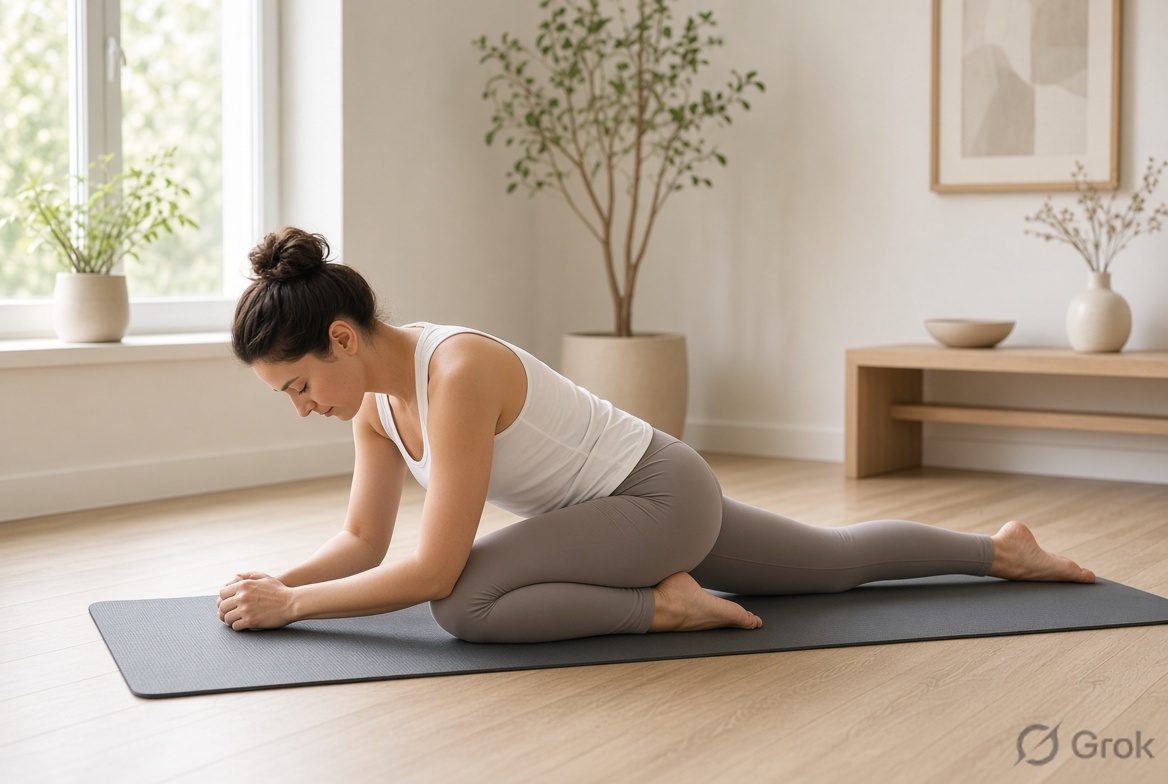
Natural Ways to Improve Flexibility
Flexibility refers to the ability of muscles and joints to move through their full range of motion. Good flexibility supports better posture, reduces injury risk, improves exercise performance, and makes daily activities easier. Stiffness often increases with age, sedentary habits, and lack of movement, but it can be improved at almost any age with consistent practice.
This guide shares practical natural ways to improve flexibility that fit into a busy routine.
1. Consistency Matters More Than Intensity
Short daily stretching sessions (10–15 minutes) produce better long-term results than occasional long sessions. Muscles and connective tissues adapt gradually to regular gentle stress.
2. Focus on Major Muscle Groups
Prioritise areas that commonly become tight:
- Hamstrings (back of thighs)
- Hip flexors
- Shoulders and chest
- Calves
- Lower back and upper back
3. Use Dynamic Stretching Before Activity
Before exercise or sports, use controlled moving stretches (arm circles, leg swings, hip circles) to prepare the body. Save longer static stretches for after activity or in dedicated sessions.
4. Static Stretching for Longer-Term Gains
Hold gentle stretches for 20–45 seconds while breathing calmly. Avoid bouncing. You should feel a mild stretch, never sharp pain.
5. Strength Training Through Full Range of Motion
Building strength in lengthened positions (for example, deep bodyweight squats or Romanian deadlifts with good form) improves both strength and flexibility. Mobility and strength complement each other.
6. Stay Active Throughout the Day
Long periods of sitting cause tightness, especially in the hips and hip flexors. Stand up, walk, or perform simple mobility drills every 45–60 minutes.
7. Breathe and Relax Into Stretches
Tension limits range of motion. Slow breathing and consciously relaxing the muscle being stretched allows deeper, safer progress over time.
Sample 10-Minute Daily Mobility Routine
- Cat-Cow stretches for the spine – 8–10 repetitions
- World’s greatest stretch or hip flexor stretch – 30 seconds each side
- Hamstring stretch (seated or standing) – 30 seconds each side
- Shoulder openers and chest stretch – 30 seconds
- Calf stretch – 30 seconds each side
- Gentle neck and upper back movements
Additional Supportive Habits
- Stay hydrated (connective tissues need water)
- Include protein and anti-inflammatory foods for tissue recovery
- Get adequate sleep for recovery and tissue repair
- Consider yoga or dedicated mobility classes if you enjoy structure
What to Avoid
- Forcing stretches into pain
- Comparing your flexibility to others
- Skipping consistency and expecting rapid changes
- Only stretching without any strength work
Frequently Asked Questions
How long does it take to improve flexibility?
Most people notice better ease of movement within 2–4 weeks of daily practice. Significant changes often appear over 8–12 weeks.
Is it too late to improve flexibility after 40 or 50?
No. Progress is possible at any age with consistent, gentle work.
Should I stretch every day?
Daily gentle mobility work is ideal. More intense stretching can be done 4–6 days per week with rest as needed.
Final Words
Natural ways to improve flexibility centre on consistent daily stretching and mobility work, strength training through a full range of motion, reducing long periods of sitting, and supporting recovery with good sleep and nutrition. Small amounts of focused practice done regularly produce lasting improvements in how freely and comfortably you move.