
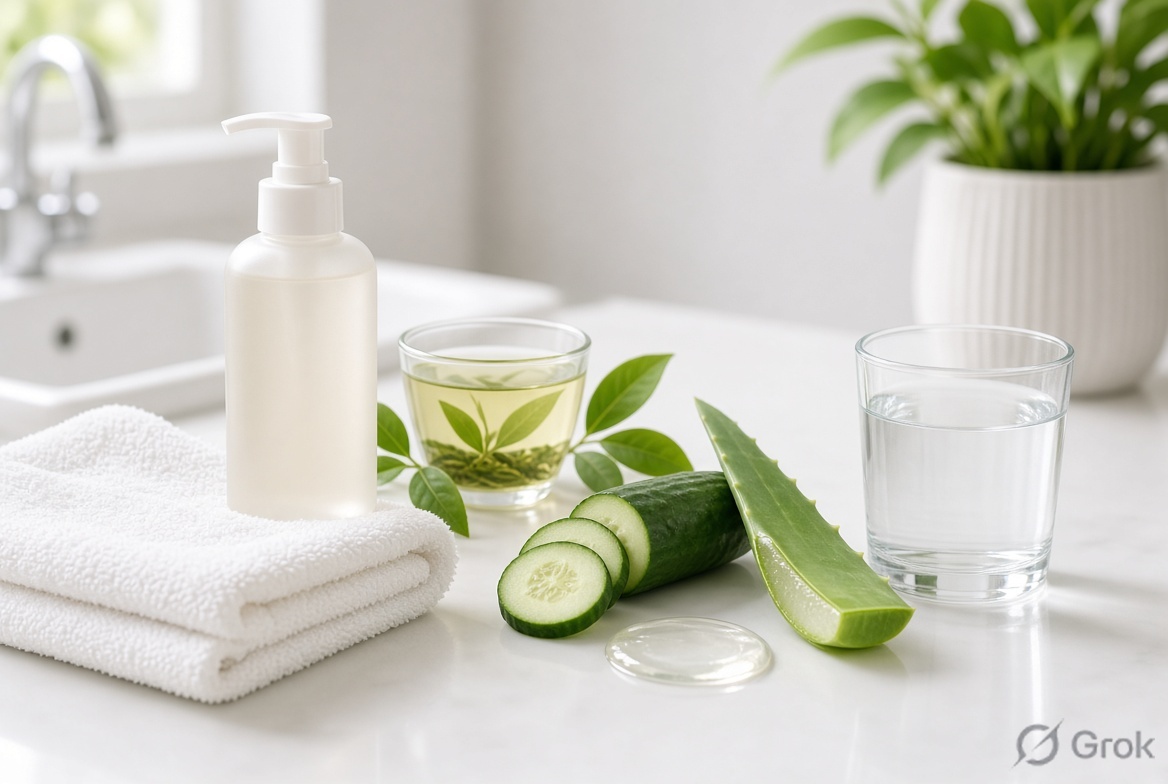
Natural Ways to Reduce Acne
Acne is one of the most common skin concerns across age groups. It occurs when hair follicles become clogged with oil and dead skin cells, often involving bacteria and inflammation. Hormones, stress, diet, skincare habits, and genetics all play a role.
While moderate to severe acne often needs medical treatment (topical or oral), many people can significantly improve mild acne with consistent natural approaches and good habits.
Understanding Acne Triggers
- Excess sebum (oil) production
- Clogged pores
- Inflammation
- Hormonal fluctuations
- Certain dietary patterns in susceptible people
- Stress and poor sleep
- Harsh or comedogenic skincare products
1. Follow a Gentle Skincare Routine
Over-washing or using harsh scrubs can worsen acne by irritating the skin and increasing oil production. Use a mild cleanser twice daily, avoid heavy oils on acne-prone areas, and never pick or squeeze pimples.
2. Do Not Sleep with Makeup
Always remove makeup before bed. Remaining makeup and sunscreen can clog pores overnight.
3. Manage Stress and Sleep
High stress increases cortisol and can worsen breakouts in many people. Poor sleep also affects hormone balance and inflammation. Prioritising both often leads to clearer skin over time.
4. Watch High-Glycemic Foods
Diets high in sugar and refined carbohydrates can increase insulin and IGF-1 levels, which may stimulate oil production in susceptible individuals. Reducing sugary drinks, sweets, and refined flour products can help some people.
5. Consider Dairy Sensitivity
Some individuals notice improvement when they reduce milk and certain dairy products. This is not universal, but worth observing through a short trial if other measures are not enough.
6. Include Anti-Inflammatory Foods
Omega-3 sources (flaxseeds, walnuts, fatty fish), colourful vegetables, and turmeric support lower systemic inflammation, which benefits skin.
7. Keep Hair and Phone Clean
Oily hair products and phone screens can transfer bacteria and oil to the face. Tie hair back when possible and clean your phone regularly.
Helpful Daily Habits
- Mild cleansing morning and night
- Non-comedogenic moisturiser if skin feels dry
- Sun protection (choose non-greasy formulas)
- Consistent sleep and stress management
- Reduced sugar and ultra-processed foods
- Clean pillowcases regularly
What to Avoid
- Harsh scrubbing or over-exfoliating
- Picking or squeezing pimples
- Heavy, greasy creams on acne-prone areas
- Unverified DIY pastes that irritate skin (especially lemon or strong essential oils undiluted)
When to See a Dermatologist
Consult a dermatologist if acne is moderate to severe, leaving scars, causing significant emotional distress, or not improving after 8–12 weeks of consistent good habits. Effective medical treatments are available and can prevent long-term scarring.
Frequently Asked Questions
How long do natural methods take to show results?
Most people need 6–12 weeks of consistent habits to see meaningful improvement, because skin cell turnover takes time.
Does chocolate cause acne?
Evidence is mixed. For some people, high-sugar chocolate may worsen breakouts; for others it has little effect. Observe your own response.
Can drinking water clear acne?
Hydration supports overall skin health but does not directly clear acne on its own.
Final Words
Natural ways to reduce acne focus on gentle skincare, stress and sleep management, reducing high-glycemic and ultra-processed foods, supporting the body with anti-inflammatory nutrition, and avoiding habits that clog pores or irritate skin. These approaches work best for mild acne and as a foundation alongside professional treatment when needed. Consistency over weeks is more important than any single remedy.