
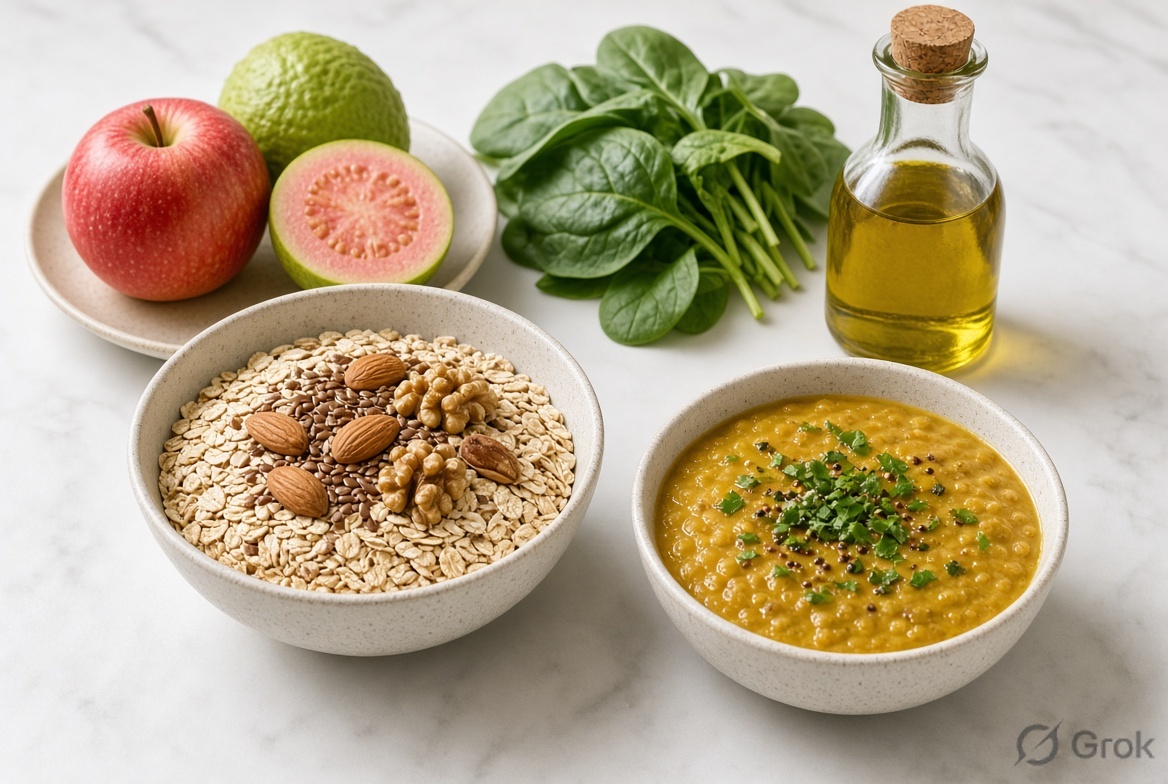
Natural Ways to Improve Gut Health
Gut health influences far more than digestion. A balanced gut microbiome supports immunity, mood, skin health, nutrient absorption, and even weight regulation. When the gut is out of balance, symptoms such as bloating, constipation, irregular stools, fatigue, and food sensitivities can appear.
This guide shares practical natural ways to improve gut health that focus on sustainable daily habits.
1. Eat More Fibre (Gradually)
Fibre feeds beneficial gut bacteria. Include a variety of vegetables, fruits, whole grains, millets, dals, and seeds. Increase fibre slowly and drink enough water to avoid temporary bloating.
2. Include Fermented Foods
Traditional fermented foods such as curd, buttermilk, idli, dosa batter, and homemade pickles (in moderation) provide natural probiotics. Plain curd is one of the easiest daily options.
3. Diversify Your Plant Foods
Different plant foods feed different types of beneficial bacteria. Aim for a wide variety of vegetables, fruits, legumes, and whole grains across the week rather than eating the same few items repeatedly.
4. Stay Hydrated
Water supports the mucosal lining of the gut and helps fibre work effectively. Consistent hydration is simple but often overlooked.
5. Manage Stress
The gut and brain communicate constantly through the gut-brain axis. Chronic stress can disrupt motility and microbiome balance. Daily walks, breathing exercises, or short relaxation practices help.
6. Prioritise Sleep
Poor sleep negatively affects the gut microbiome. Aim for 7–8 hours of quality sleep to support both gut and overall health.
7. Limit Ultra-Processed Foods and Excess Sugar
Diets high in refined sugar, artificial additives, and ultra-processed foods can reduce microbial diversity. Reducing these foods creates space for healthier options.
8. Move Your Body Daily
Regular physical activity improves gut motility and supports a healthier microbiome. Even daily walking makes a positive difference.
Sample Gut-Friendly Daily Habits
- Start the day with warm water
- Include curd or buttermilk once a day
- Eat vegetables at both lunch and dinner
- Add a variety of plant foods across the week
- Walk after meals when possible
- Keep a consistent sleep schedule
What to Be Cautious About
- Sudden large increases in fibre
- Unnecessary long-term use of strong antibiotics without medical need
- Extreme elimination diets without guidance
- Overuse of harsh “cleanses” or laxatives
When to Seek Medical Advice
Consult a doctor if you have persistent bloating, blood in stool, unexplained weight loss, severe abdominal pain, or major changes in bowel habits. These can indicate conditions that need proper diagnosis.
Frequently Asked Questions
How long does it take to improve gut health?
Many people notice better digestion within 1–3 weeks. Meaningful changes in the microbiome usually take 4–8 weeks of consistent habits.
Do I need a probiotic supplement?
Most people can improve gut health through food and lifestyle. Supplements may help in specific situations but are not necessary for everyone.
Can gut health affect mood?
Yes. The gut produces and influences several neurotransmitters. Improving gut health often supports better mood and mental clarity for many people.
Final Words
Natural ways to improve gut health centre on eating more diverse plant foods and fibre, including fermented foods such as curd, staying hydrated, managing stress, sleeping well, moving daily, and reducing ultra-processed foods. These simple, consistent habits create a healthier environment for beneficial gut bacteria and support better digestion and overall well-being.