
How to Reduce Menstrual Cramps Naturally
Menstrual cramps (dysmenorrhea) affect a large number of women every month. The pain can range from mild discomfort to severe cramping that interferes with daily activities, work, and sleep. While painkillers provide quick relief for many, regular dependence on them is not ideal. Several natural methods can significantly reduce the intensity and duration of period pain when used consistently.
This guide explains effective, practical ways to reduce menstrual cramps naturally using heat, diet, specific ingredients, movement, and lifestyle adjustments that work well for Indian women.
Why Menstrual Cramps Happen
During menstruation, the uterus contracts to shed its lining. These contractions are triggered by hormone-like substances called prostaglandins. Higher levels of prostaglandins lead to stronger contractions and more pain. Other contributing factors include stress, inflammation, poor circulation, magnesium deficiency, and sedentary habits.
Best Natural Ways to Reduce Period Pain
1. Apply Heat
Heat is one of the most effective and immediate remedies. A heating pad, hot water bottle, or warm cloth placed on the lower abdomen relaxes the uterine muscles and improves blood flow.
Apply heat for 15–20 minutes at a time. Many women find this more effective than they expect.
2. Ginger Tea
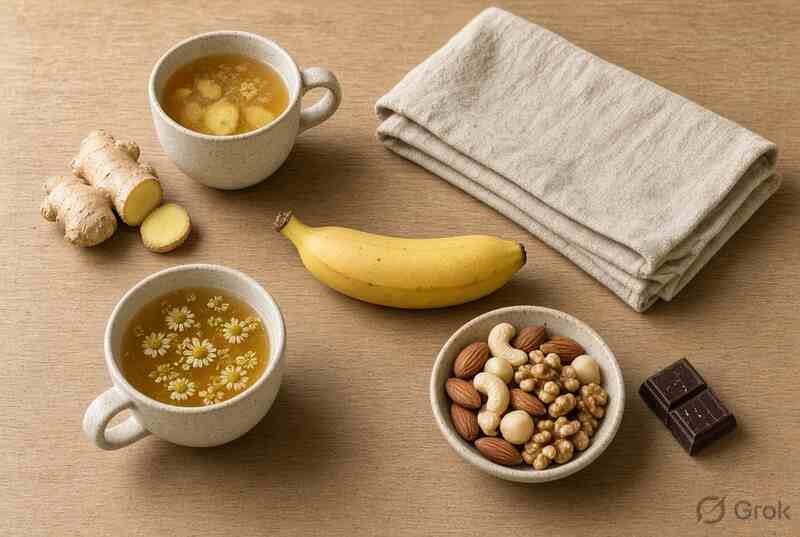
Ginger has natural anti-inflammatory properties and has been studied for menstrual pain relief. Fresh ginger tea taken from a day or two before the period starts can reduce the severity of cramps.
Boil fresh ginger slices in water and drink 1–2 cups daily during the first few days of the cycle.
3. Magnesium-Rich Foods and Nuts
Magnesium helps relax muscles. Bananas, pumpkin seeds, almonds, cashews, and dark leafy greens are good sources. Some women also benefit from a magnesium supplement under guidance.
4. Light Movement and Yoga
Complete bed rest sometimes increases stiffness. Gentle walking, light stretching, or restorative yoga poses (such as Child’s Pose, Cat-Cow, and gentle twists) can ease pain by improving circulation and releasing endorphins.
5. Stay Hydrated and Reduce Salt
Dehydration and high salt intake can increase bloating, which worsens the feeling of cramps. Drink enough water and limit very salty packaged foods during the period.
6. Herbal Teas
Chamomile tea and fennel tea are traditionally used for their mild relaxing and anti-spasmodic effects. They also help with associated bloating and irritability.
7. Dietary Adjustments
Reduce excess caffeine, very oily food, and high-sugar items during the period as they can increase inflammation and discomfort for some women. Focus on warm, easy-to-digest meals.
Additional Supportive Practices
- Massage the lower abdomen gently with warm sesame or coconut oil
- Practice deep, slow breathing when pain peaks
- Ensure adequate sleep in the days leading up to the period
- Consider tracking symptoms to identify personal triggers
When to Seek Medical Help
Consult a doctor if:
- Pain is severe and not relieved by basic measures
- Cramps have suddenly become much worse than usual
- There is very heavy bleeding or large clots
- Pain occurs outside the menstrual period
- You suspect conditions such as endometriosis or fibroids
Frequently Asked Questions
How quickly does heat therapy work?
Most women feel noticeable relief within 10–20 minutes of applying heat.
Can exercise really help period pain?
Yes. Light movement is usually beneficial. Intense workouts may not feel comfortable during heavy pain days.
Is it okay to take painkillers along with natural methods?
Yes. Natural methods can reduce the need for medication or allow lower doses, but they can also be used together when required.
Final Words
Reducing menstrual cramps naturally is possible with a combination of heat therapy, ginger, magnesium-rich foods, gentle movement, and reduced inflammatory triggers. Starting these practices a day or two before the period often works better than waiting until pain is severe. Listen to your body, stay consistent, and seek medical advice when pain is extreme or changing in pattern. Over time, many women experience significantly milder periods with these supportive approaches.