Category Healthy Diet

Home Remedies for Headache

Home Remedies for Headache

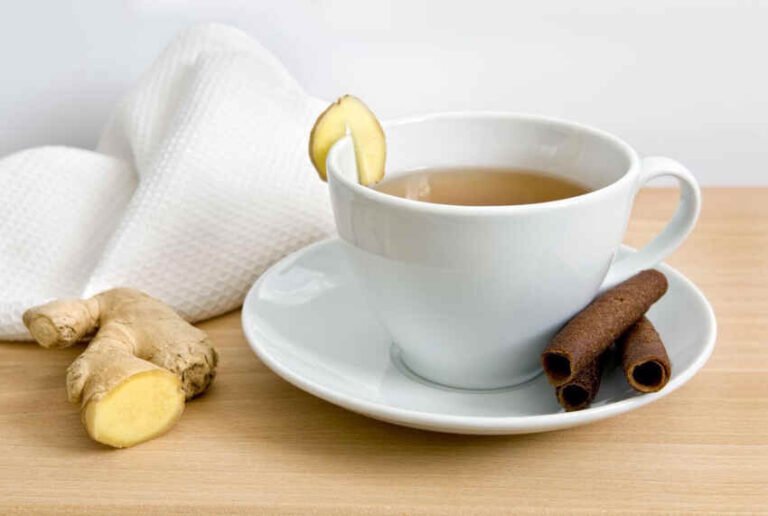
Headaches are one of the most common health complaints. They can range from mild tension headaches to more intense migraine attacks. While severe or frequent headaches should be evaluated by a doctor, many everyday headaches respond well to simple home…


Best Foods for Brain Health

Best Foods for Brain Health

Your brain is one of the most energy-demanding organs in the body. It requires a constant supply of high-quality nutrients to maintain focus, memory, mood, and long-term cognitive health. While no single food can prevent all age-related decline, a consistent…

Natural Ways to Boost Immunity

Natural Ways to Boost Immunity

A strong immune system helps the body defend itself against infections and recover faster when illness occurs. While no food or habit can make you completely immune to every virus or bacteria, consistent healthy practices significantly improve your body’s ability…

Natural Ways to Stop Hair Fall

Natural Ways to Stop Hair Fall Almost everyone experiences some daily hair fall (50–100 strands is considered normal). However, when hair fall becomes excessive — clumps on the pillow, in the shower, or noticeable thinning — it becomes a concern. Hair fall can be triggered by nutritional deficiencies, stress, hormonal changes, postpartum recovery, thyroid issues, tight hairstyles, or harsh chemical treatments. The good news is that many cases improve significantly with consistent natural approaches. 1. Correct Nutritional Deficiencies The most common reversible cause of hair fall is lack of protein, iron, zinc, or vitamin D. Focus on: Adequate daily protein (eggs, dal, paneer, chicken, fish) Iron-rich foods with vitamin C Nuts and seeds for zinc Sunlight or vitamin D-rich foods 2. Reduce Stress Chronic stress pushes hair follicles into the resting phase (telogen effluvium), leading to increased shedding after a few months. Daily walks, breathing exercises, adequate sleep, and reducing unnecessary pressure help reverse stress-related hair fall. 3. Gentle Scalp Care Avoid tight hairstyles and excessive pulling Limit heat styling and chemical treatments Oil the scalp 1–2 times a week with light oils (coconut, almond, or light mineral oil) Do not wash hair with very hot water 4. Improve Sleep Quality Poor sleep disrupts hormone balance and increases stress hormones that negatively affect hair growth cycles. Aim for 7–8 hours of consistent sleep. 5. Stay Hydrated and Maintain Overall Health Dehydration and underlying issues such as thyroid imbalance or rapid weight loss can increase hair fall. Address these root causes with proper medical guidance when needed. 6. Scalp Massage Regular gentle scalp massage with fingertips (with or without oil) improves blood circulation to the follicles and can support healthier growth over time. What Usually Does Not Work Long-Term Random expensive hair packs without fixing diet and stress Harsh home remedies that irritate the scalp Ignoring medical causes (thyroid, PCOS, iron deficiency) When to See a Doctor Consult a dermatologist or doctor if hair fall is sudden, patchy, accompanied by scalp symptoms, or continues for more than 3–4 months despite lifestyle changes. Blood tests for iron, vitamin D, thyroid, and other markers are often helpful. Frequently Asked Questions How long does it take to reduce hair fall naturally? Most people notice reduced shedding in 6–10 weeks once nutrition and stress are addressed. Visible regrowth takes longer (3–6 months). Is oiling necessary? Oiling is not mandatory but can help keep the scalp moisturised and make hair less prone to breakage. Focus more on diet and stress if time is limited. Final Words Natural Ways to Stop Hair Fall

Almost everyone experiences some daily hair fall (50–100 strands is considered normal). However, when hair fall becomes excessive — clumps on the pillow, in the shower, or noticeable thinning — it becomes a concern. Hair fall can be triggered by…

Best Foods for Hair Growth

Best Foods for Hair Growth

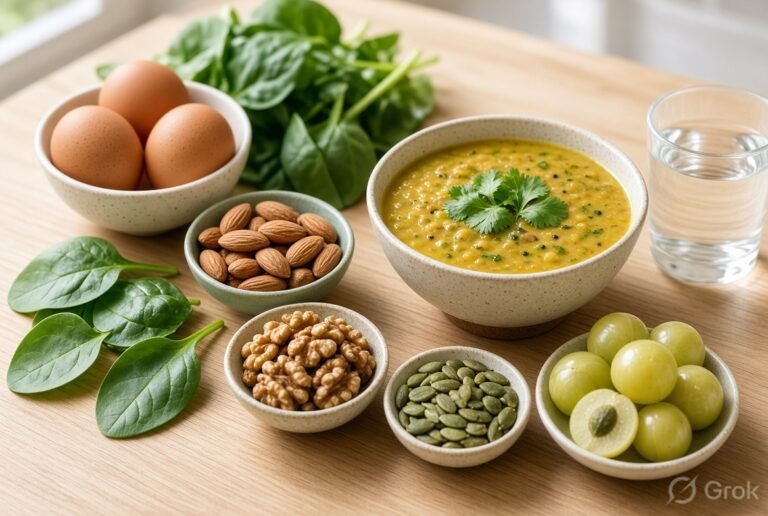
Hair growth depends heavily on the nutrients you eat every day. While genetics, hormones, and stress play a role, a nutrient-deficient diet is one of the most common reasons for slow growth, thinning, and excessive hair fall. The good news…

Best Foods for PCOS

Polycystic Ovary Syndrome (PCOS) is a common hormonal condition that affects many women. It is often linked with insulin resistance, irregular periods, weight challenges, acne, and excess hair growth. While there is no single cure, diet plays a major supporting…