
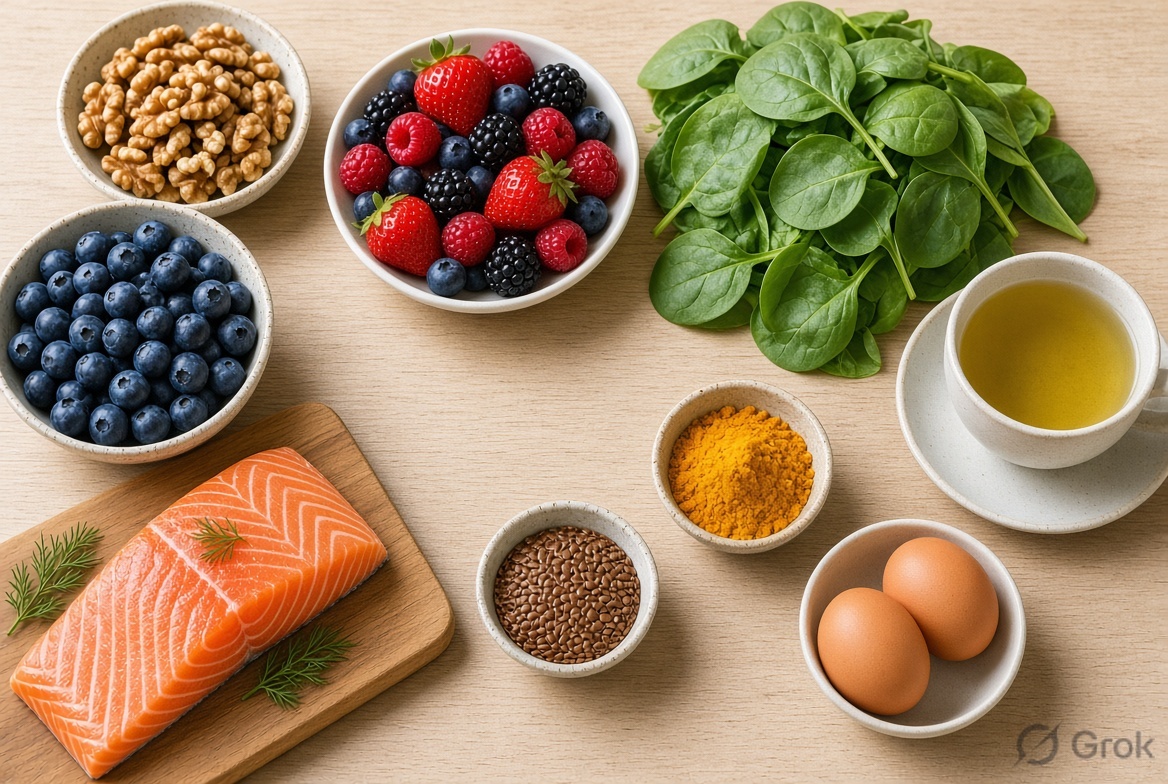
Best Foods for Brain Health
Your brain is one of the most energy-demanding organs in the body. It requires a constant supply of high-quality nutrients to maintain focus, memory, mood, and long-term cognitive health. While no single food can prevent all age-related decline, a consistent pattern of brain-supportive eating makes a meaningful difference over time.
This detailed guide covers the best foods for brain health that are practical and easy to include in an Indian diet.
Key Nutrients the Brain Needs
- Omega-3 fatty acids (especially DHA)
- Antioxidants (to protect brain cells from oxidative stress)
- B vitamins (for energy metabolism and nerve function)
- Antioxidant vitamins C and E
- Polyphenols and flavonoids
- Adequate protein and healthy fats
1. Fatty Fish and Plant Omega-3 Sources
Fatty fish such as salmon, mackerel, and sardines are rich in DHA, a type of omega-3 fat that forms a major structural component of brain cells. For vegetarians, the best options are flaxseeds, chia seeds, and walnuts. Regular intake supports memory and overall brain function.
2. Berries and Colourful Fruits
Berries (blueberries, strawberries) and other deeply coloured fruits are rich in flavonoids and antioxidants. These compounds help reduce oxidative stress and inflammation in the brain. Amla, pomegranate, and guava are excellent local options.
3. Leafy Green Vegetables
Spinach, methi, and other greens provide folate, vitamin K, and plant compounds linked to slower cognitive decline. Including a variety of greens regularly is one of the simplest brain-healthy habits.
4. Nuts and Seeds
Walnuts are particularly beneficial because of their omega-3 content. Almonds, pumpkin seeds, and flaxseeds supply vitamin E, zinc, and healthy fats that support nerve health. A small handful daily is sufficient.
5. Eggs
Eggs provide choline, a nutrient used to produce acetylcholine, a neurotransmitter important for memory and learning. They are also a good source of high-quality protein and B vitamins.
6. Turmeric
Curcumin, the active compound in turmeric, has anti-inflammatory and antioxidant properties. Using turmeric regularly in cooking (with a pinch of black pepper for better absorption) is a practical daily habit.
7. Green Tea and Moderate Coffee
Both contain antioxidants and mild stimulants that can support alertness and focus when consumed in moderation. Avoid excess sugar in these drinks.
Foods and Habits That Harm Brain Health
- Diets high in refined sugar and ultra-processed foods
- Chronic sleep deprivation
- Excessive alcohol
- Sedentary lifestyle
- Chronic unmanaged stress
Sample Daily Brain-Supportive Eating Pattern
- Breakfast: Eggs or vegetable omelette + handful of walnuts
- Lunch: Dal + leafy green sabzi + salad + small portion of millet or roti
- Evening: Mixed seeds + fruit
- Dinner: Protein + plenty of vegetables + turmeric in cooking
Lifestyle Factors That Multiply the Benefits
Diet works best when combined with:
- 7–8 hours of quality sleep
- Regular physical activity (especially walking and strength training)
- Mental stimulation (reading, learning new skills)
- Social connection and stress management
Frequently Asked Questions
How long does it take to notice benefits?
Improvements in energy and focus can appear within a few weeks. Longer-term cognitive protection builds over months and years of consistent habits.
Are brain supplements necessary?
Most people benefit more from fixing diet, sleep, and exercise first. Supplements may help in cases of specific deficiencies under medical guidance.
Can these foods prevent dementia?
No food can guarantee prevention, but a brain-healthy dietary pattern is associated with better cognitive outcomes as we age.
Final Words
The best foods for brain health are those rich in omega-3 fats, antioxidants, B vitamins, and polyphenols — fatty fish or seeds, berries and colourful fruits, leafy greens, nuts, eggs, and turmeric. When these are combined with good sleep, regular movement, and stress control, they provide strong long-term support for memory, focus, and overall cognitive function.