
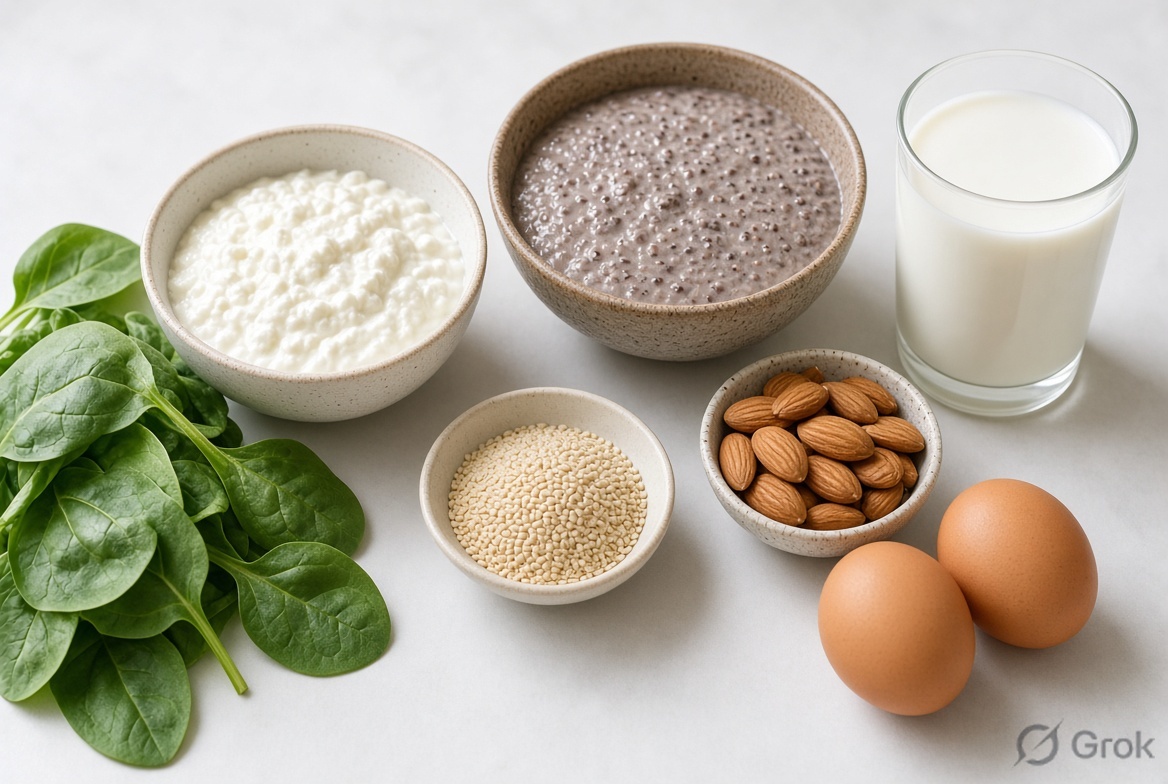
Best Foods for Strong Bones
Bones are living tissue that constantly remodel throughout life. Building strong bones in youth and maintaining them in adulthood reduces the risk of osteoporosis and fractures later. While exercise (especially weight-bearing and strength training) is crucial, nutrition provides the raw materials bones need.
This detailed guide covers the best foods for strong bones that fit easily into an Indian diet.
Key Nutrients for Bone Health
- Calcium – the main mineral in bones
- Vitamin D – helps absorb calcium
- Protein – forms the bone matrix
- Magnesium, vitamin K, and phosphorus
- Adequate overall calories and nutrients
1. Dairy Products (if tolerated)
Milk, curd, and paneer are among the most convenient and absorbable sources of calcium. Curd also provides protein and probiotics. Choose plain versions without excess sugar.
2. Leafy Green Vegetables
Spinach, methi, drumstick leaves, and amaranth provide calcium, magnesium, and vitamin K. Although some greens contain oxalates that slightly reduce calcium absorption, they still contribute valuable nutrients and should be included regularly.
3. Ragi (Finger Millet) and Other Millets
Ragi is particularly rich in calcium compared to many other grains. Including ragi porridge, dosa, or roti is an excellent traditional way to support bone health.
4. Sesame Seeds (Til) and Other Seeds
Sesame seeds are a powerhouse of calcium. A small amount of roasted til or til laddoos (in moderation) can meaningfully add to daily calcium intake. Pumpkin and chia seeds also contribute minerals.
5. Eggs and Protein-Rich Foods
Protein is essential for the collagen framework of bones. Eggs, dal, paneer, chicken, and fish all support bone structure. Adequate protein is especially important as we age.
6. Vitamin D Sources
Sunlight is the primary source of vitamin D for most people. Food sources include egg yolks, fatty fish, and fortified foods. In cases of deficiency, supplementation under medical guidance is often necessary.
7. Fruits and Vegetables for Alkaline Support
A diet rich in fruits and vegetables provides potassium and magnesium, which help maintain acid-base balance and may reduce calcium loss from bones.
Foods and Habits That Weaken Bones
- Very low-calorie or highly restrictive diets
- Excess salt (increases calcium excretion)
- Heavy soft drink consumption
- Smoking and excess alcohol
- Sedentary lifestyle
Sample Daily Bone-Supportive Pattern
- Breakfast: Ragi porridge or curd with seeds + eggs
- Lunch: Dal + leafy green sabzi + curd + small portion of grain
- Evening: Handful of roasted sesame or mixed seeds
- Dinner: Protein + vegetables + curd if desired
Exercise Is Non-Negotiable
Nutrition alone is not enough. Weight-bearing activities (walking, climbing stairs) and strength training stimulate bones to become stronger. Aim for both types of activity regularly.
Frequently Asked Questions
How much calcium do I need daily?
Most adults need around 1000 mg per day (higher for older adults and some women). Food sources should be prioritised before supplements.
Can I get enough calcium without dairy?
Yes, through ragi, sesame seeds, leafy greens, almonds, and fortified foods, but it requires more deliberate planning.
Does vitamin D deficiency cause weak bones?
Yes. Without adequate vitamin D, calcium absorption drops significantly, weakening bones over time.
Final Words
The best foods for strong bones include dairy or curd, ragi, sesame seeds, leafy greens, adequate protein, and support for vitamin D. When these are combined with regular weight-bearing exercise and strength training, they provide a powerful foundation for lifelong bone strength and fracture prevention.