
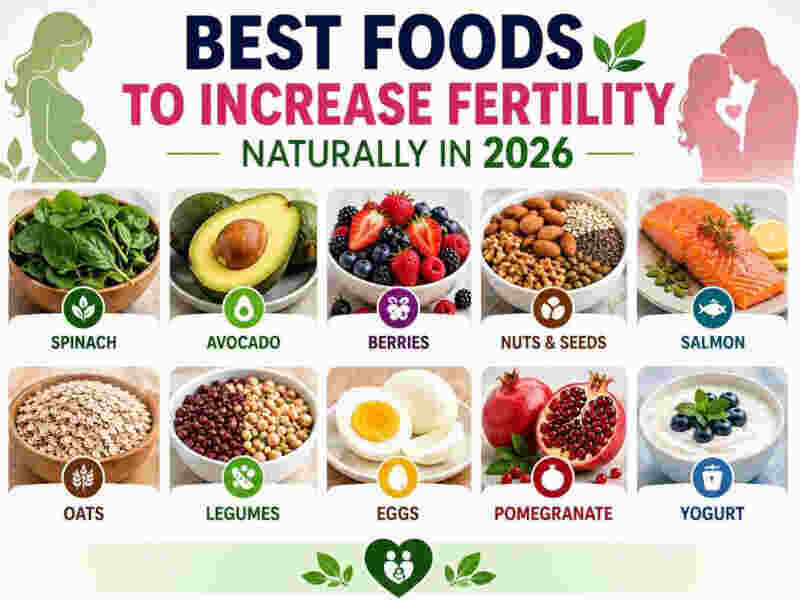
Best Foods for Sperm Health
Sperm health plays a crucial role in male fertility. Factors such as sperm count, motility (movement), and morphology (shape) can be influenced by lifestyle, environment, and diet. While medical evaluation is important in cases of infertility, nutrition is one of the most accessible ways to support better sperm quality.
This guide covers the best foods for sperm health that are practical and easy to include in an Indian diet.
Key Nutrients for Sperm Health
- Zinc – essential for testosterone and sperm production
- Antioxidants (Vitamin C, Vitamin E, selenium)
- Omega-3 fatty acids
- Folate
- Healthy fats and adequate protein
1. Walnuts and Other Nuts
Walnuts are rich in omega-3 fatty acids and antioxidants. Studies have linked regular walnut consumption with improved sperm vitality and motility. Almonds and other nuts also provide vitamin E and healthy fats.
2. Eggs
Eggs supply high-quality protein, vitamin D, and B vitamins. They are an excellent everyday food that supports overall reproductive health.
3. Leafy Green Vegetables
Spinach and other greens are good sources of folate. Folate deficiency has been linked to lower sperm quality. Including green vegetables regularly is beneficial.
4. Seeds (Pumpkin, Flax, Chia)
Pumpkin seeds are particularly rich in zinc. Flax and chia seeds provide omega-3 fats. A small handful of mixed seeds daily can be a useful addition.
5. Fatty Fish
Fish such as salmon or other oily fish provide omega-3 fatty acids that support sperm membrane health and motility. Include fish a few times a week if it is part of your diet.
6. Citrus Fruits and Amla
Vitamin C acts as an antioxidant and helps protect sperm from oxidative damage. Amla, oranges, and other citrus fruits are excellent sources.
7. Tomatoes and Lycopene-Rich Foods
Lycopene, found in tomatoes, has been associated with better sperm quality in some studies. Cooked tomatoes release more lycopene.
Lifestyle Factors That Matter
- Maintain a healthy body weight
- Avoid excessive heat to the testicular area (tight clothing, prolonged laptop use on lap, hot baths)
- Limit alcohol and quit smoking
- Manage stress
- Get regular physical activity
- Ensure adequate sleep
Foods and Habits to Limit
- Processed and deep-fried foods
- Excess sugar and sugary drinks
- Heavy alcohol consumption
- Smoking and recreational drugs
Frequently Asked Questions
How long does it take for diet to improve sperm health?
Sperm production takes about 70–90 days. Consistent dietary changes over 2–3 months are usually needed to see measurable improvements.
Can supplements replace food?
Food should be the foundation. Supplements may help in cases of deficiency but should be taken under medical guidance.
Final Words
The best foods for sperm health are nutrient-dense options rich in zinc, antioxidants, omega-3 fats, and folate — such as walnuts, eggs, leafy greens, seeds, fatty fish, and vitamin C-rich fruits. Combine these with healthy lifestyle habits for the best results. If you are facing fertility challenges, consult a doctor for proper evaluation alongside dietary improvements.