
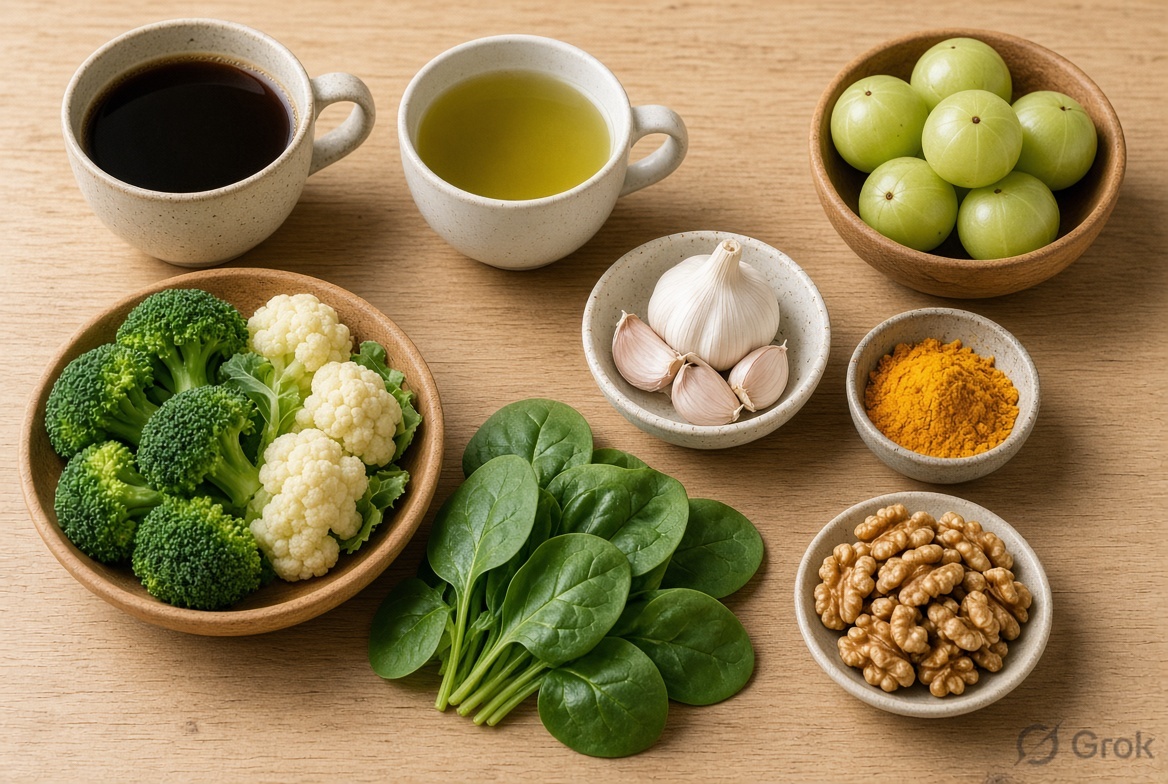
Best Foods for Liver Health
The liver is one of the hardest-working organs in the body. It processes nutrients, filters toxins, produces bile, regulates blood sugar, and stores essential vitamins. Because it performs so many critical functions, supporting liver health through daily food choices is one of the most effective long-term investments you can make.
This detailed guide covers the best foods for liver health that are practical, affordable, and easy to include in an Indian diet.
How Diet Affects the Liver
A diet high in refined sugar, fried foods, excess alcohol, and ultra-processed items increases the load on the liver and can contribute to fat accumulation (fatty liver). On the other hand, a diet rich in antioxidants, fibre, and anti-inflammatory compounds helps the liver function more efficiently and repair itself.
1. Coffee (in Moderation)
Multiple studies have linked regular coffee consumption with lower risk of liver scarring and better liver enzyme levels. One to two cups of black coffee per day appears beneficial for many people. Avoid adding excess sugar.
2. Green Tea
Green tea contains catechins, which are powerful antioxidants. Regular consumption is associated with improved liver enzyme profiles and reduced fat buildup in the liver for some individuals.
3. Cruciferous Vegetables
Broccoli, cauliflower, cabbage, and Brussels sprouts contain compounds that support the liver’s natural detoxification pathways. Including these vegetables several times a week is a simple and effective habit.
4. Leafy Greens
Spinach, methi, and other greens provide chlorophyll, antioxidants, and fibre. They support overall metabolic health and help reduce the burden on the liver.
5. Garlic
Garlic contains sulphur compounds that activate liver enzymes involved in flushing out toxins. Using garlic regularly in cooking is an easy daily practice.
6. Turmeric
Curcumin, the active compound in turmeric, has strong anti-inflammatory and antioxidant properties. Adding turmeric to dal, vegetables, or warm milk (with a pinch of black pepper) supports liver health over time.
7. Fruits Rich in Antioxidants
Amla, berries, grapes, and citrus fruits provide vitamin C and polyphenols that protect liver cells from oxidative stress. Amla is particularly valuable in the Indian context.
8. Nuts (Especially Walnuts)
Walnuts provide omega-3 fats and antioxidants. A small handful of unsalted nuts several times a week supports healthy fat metabolism in the liver.
Foods and Habits That Stress the Liver
- Excess sugar and sugary drinks
- Frequent deep-fried foods
- Excess alcohol
- Very high intake of refined carbohydrates
- Unnecessary medications or self-medication without guidance
Sample Daily Liver-Supportive Pattern
- Morning: Warm water + optional black coffee or green tea
- Breakfast: Eggs or oats with nuts
- Lunch: Dal + plenty of vegetables (including greens or cabbage) + salad
- Evening: Fruit such as amla or berries + a few walnuts
- Dinner: Light protein + vegetables cooked with garlic and turmeric
Lifestyle Habits That Support the Liver
- Maintain a healthy body weight
- Exercise regularly (especially walking and strength training)
- Limit alcohol or avoid it completely
- Get 7–8 hours of sleep
- Stay well hydrated
Frequently Asked Questions
Can food reverse fatty liver?
In many cases of non-alcoholic fatty liver disease, significant improvement or even reversal is possible through weight loss, diet changes, and exercise — especially when started early.
Is detox tea necessary for liver health?
Most commercial “detox teas” are unnecessary. The liver has its own highly effective detoxification systems. Supporting it with real food and healthy habits is far more beneficial.
How long does it take to improve liver health?
Positive changes in liver enzymes and fat levels can appear within 8–12 weeks of consistent lifestyle improvements.
Final Words
The best foods for liver health include coffee (in moderation), green tea, cruciferous vegetables, leafy greens, garlic, turmeric, antioxidant-rich fruits, and nuts. When these are combined with weight management, regular movement, limited alcohol, and good sleep, they provide strong, sustainable support for long-term liver function.