
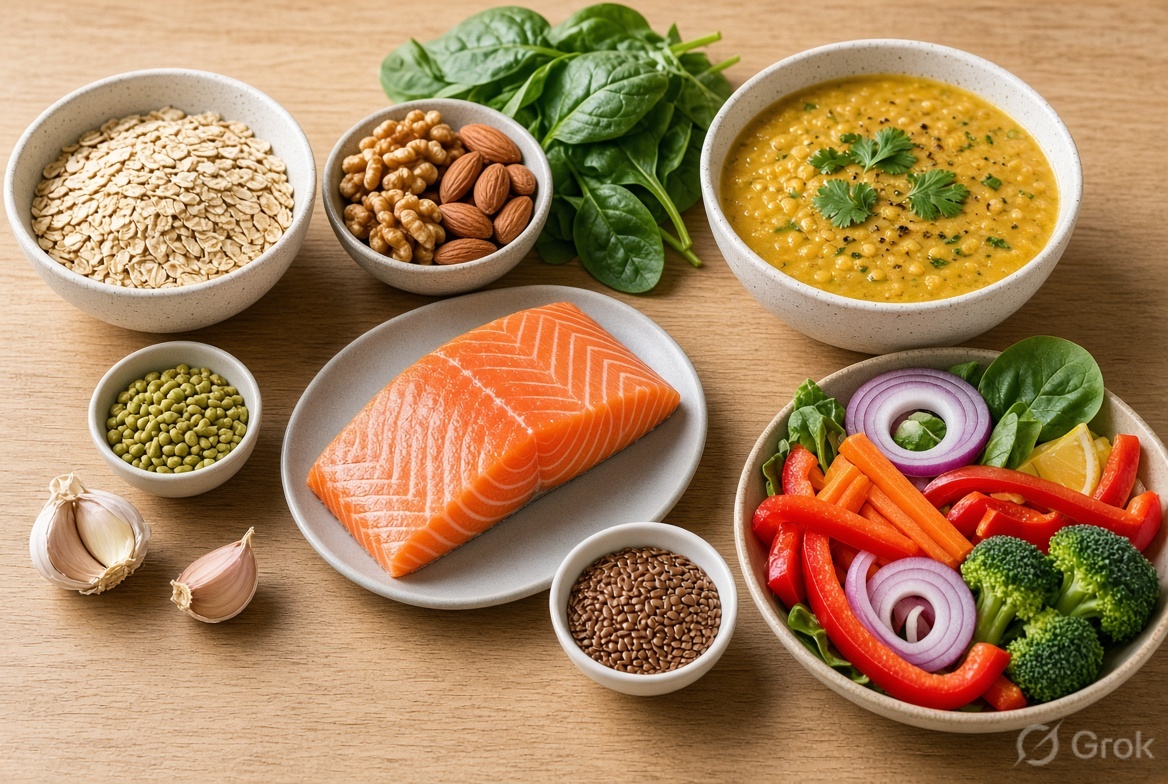
Best Foods for Heart Health
Heart disease remains one of the leading health concerns worldwide. While genetics and age play a role, daily food choices have a powerful impact on cholesterol levels, blood pressure, inflammation, and overall cardiovascular health. The good news is that many heart-supportive foods are simple, affordable, and already part of traditional Indian kitchens.
This detailed guide covers the best foods for heart health that you can start including regularly.
Key Goals for a Heart-Healthy Diet
- Reduce LDL (bad) cholesterol
- Support healthy blood pressure
- Lower chronic inflammation
- Maintain healthy blood vessels
- Support healthy weight
1. Oats and High-Fibre Grains
Oats contain beta-glucan, a soluble fibre that helps reduce cholesterol absorption. Starting the day with oats or including other high-fibre grains such as barley and certain millets supports better lipid levels over time.
2. Fatty Fish and Plant Omega-3 Sources
Omega-3 fats help reduce triglycerides and support heart rhythm. Fatty fish (salmon, mackerel, sardines) are excellent sources. Vegetarians can rely on flaxseeds, chia seeds, and walnuts.
3. Nuts (in Moderation)
Almonds, walnuts, and pistachios provide healthy fats, fibre, and plant sterols. A small handful (about 30 grams) a few times a week is beneficial. Avoid salted and deep-fried versions.
4. Leafy Green Vegetables and Colourful Produce
Spinach, methi, and other greens are rich in nitrates, antioxidants, and fibre. A variety of colourful vegetables and fruits supplies potassium and polyphenols that support blood vessel health.
5. Legumes and Dal
Dal, chickpeas, and beans are high in fibre and plant protein. Regular consumption is linked with better cholesterol profiles and improved satiety, which helps with weight management.
6. Garlic and Onion
These everyday ingredients contain beneficial sulphur compounds. Using them regularly in cooking is a simple heart-friendly habit.
7. Healthy Cooking Oils in Controlled Amounts
Prefer oils such as mustard oil, groundnut oil, or limited amounts of ghee and olive oil. The total quantity of oil matters more than the type for most people. Avoid repeated reheating of oils.
Foods to Limit for Better Heart Health
- Trans fats and vanaspati
- Excess salt and packaged salty snacks
- Sugary drinks and desserts
- Processed meats
- Deep-fried foods eaten frequently
Sample Heart-Healthy Daily Pattern
- Breakfast: Oats with nuts and seeds or vegetable omelette
- Lunch: Dal + large portion of vegetables + salad + small portion of whole grain
- Evening: Handful of unsalted nuts or sprouts
- Dinner: Grilled or lightly cooked protein + plenty of vegetables
Lifestyle Habits That Support the Heart
- 30–45 minutes of walking or activity most days
- Strength training 2–3 times per week
- 7–8 hours of sleep
- Stress management
- Avoiding smoking and limiting alcohol
Frequently Asked Questions
Can diet reverse heart disease?
Diet and lifestyle can significantly improve risk factors and, in some cases, support improvement in early stages. Advanced heart disease requires medical treatment alongside lifestyle changes.
Is ghee bad for the heart?
In small quantities as part of an overall balanced diet, traditional ghee is acceptable for most people. The total amount of saturated fat and overall diet quality matter more.
How long before cholesterol improves?
Many people see measurable improvements in lipid profiles within 6–12 weeks of consistent dietary changes.
Final Words
The best foods for heart health include oats, nuts, seeds, fatty fish or plant omega-3s, leafy greens, legumes, garlic, and a wide variety of vegetables. When combined with regular movement, good sleep, and stress control, these foods form a strong foundation for long-term cardiovascular wellness.