
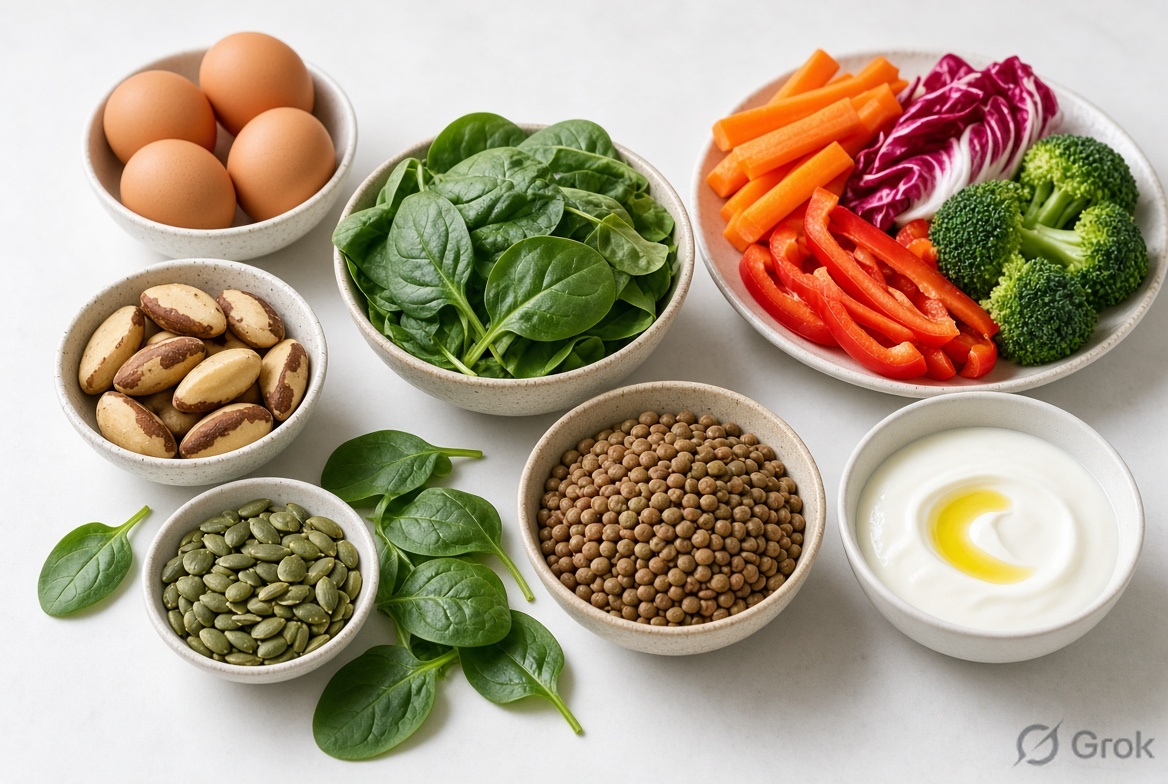
Best Foods for Thyroid Health
The thyroid gland plays a central role in regulating metabolism, energy levels, body temperature, heart rate, and mood. When thyroid function is low or imbalanced, people often experience fatigue, weight changes, hair fall, dry skin, and cold intolerance. While medical treatment is essential for diagnosed thyroid disorders, nutrition provides important support for overall thyroid health.
This detailed guide covers the best foods for thyroid health that can be included in a regular Indian diet.
Key Nutrients the Thyroid Needs
- Iodine – required to make thyroid hormones
- Selenium – helps convert thyroid hormones into their active form
- Zinc – supports hormone production and immune function
- Iron – important for thyroid peroxidase activity
- Tyrosine (from protein) – a building block of thyroid hormones
- Antioxidants – protect the thyroid from oxidative stress
1. Iodine-Rich Foods (in Moderation)
Iodine is essential, but both deficiency and excess can cause problems. Good sources include iodised salt (used in normal amounts), dairy products, and seafood. Most people using iodised salt get adequate iodine without needing extra supplementation.
2. Selenium-Rich Foods
Brazil nuts are one of the richest sources of selenium (just 1–2 nuts per day is usually enough). Other sources include eggs, sunflower seeds, and fish. Selenium supports the conversion of T4 to the active T3 hormone.
3. Zinc-Containing Foods
Pumpkin seeds, cashews, chickpeas, lentils, and eggs provide zinc. Zinc deficiency can impair thyroid hormone production and is relatively common in diets low in animal foods or seeds.
4. Iron-Rich Foods
Iron is required for the enzyme that helps produce thyroid hormones. Include spinach, methi, lentils, dates, jaggery (in moderation), and pair plant sources with vitamin C foods for better absorption.
5. Protein-Rich Foods
Eggs, dal, paneer, chicken, fish, and Greek yogurt provide tyrosine and the amino acids needed for hormone synthesis. Adequate protein also helps maintain muscle mass and energy.
6. Antioxidant-Rich Fruits and Vegetables
Berries, amla, oranges, and colourful vegetables help reduce oxidative stress. Chronic inflammation can negatively affect thyroid function over time.
7. Healthy Fats
Nuts, seeds, and fatty fish supply fats needed for hormone production and absorption of fat-soluble vitamins. Include them in small, regular amounts.
Foods and Habits to Be Careful With
- Very large amounts of raw cruciferous vegetables (cooking reduces potential goitrogenic effect)
- Excess soy in highly concentrated forms for some individuals
- Chronic calorie restriction or crash dieting
- Untreated nutrient deficiencies (iron, selenium, zinc, vitamin D)
Sample Thyroid-Supportive Daily Pattern
- Breakfast: Eggs + a few pumpkin seeds or 1 Brazil nut
- Lunch: Dal + leafy greens + salad with lemon + small portion of grain
- Evening: Handful of mixed seeds or curd
- Dinner: Protein + vegetables cooked with minimal oil
Lifestyle Factors That Support Thyroid Health
- Adequate sleep (7–8 hours)
- Stress management
- Regular moderate exercise
- Maintaining optimal vitamin D levels
- Avoiding smoking
Frequently Asked Questions
Can food cure hypothyroidism?
No. Diagnosed hypothyroidism usually requires thyroid hormone replacement. Food supports overall thyroid function and helps correct nutrient deficiencies that can worsen symptoms.
Should I avoid cabbage and cauliflower completely?
No. Cooking these vegetables significantly reduces any goitrogenic effect. They can be eaten in normal amounts as part of a varied diet.
Is coconut oil good for thyroid?
There is limited strong evidence that coconut oil specifically improves thyroid function. It can be used in moderation as a cooking fat if it suits your overall diet.
Final Words
The best foods for thyroid health focus on providing iodine (in balanced amounts), selenium, zinc, iron, quality protein, and antioxidants. Eggs, seeds, nuts, lentils, leafy greens, and a variety of colourful produce form a strong nutritional foundation. These foods work best alongside proper medical care, good sleep, and stress management for long-term thyroid support.