
Natural Ways to Lower High Cholesterol
High cholesterol is one of the most common health concerns in India today. Many people discover elevated LDL (bad cholesterol) or total cholesterol during routine blood tests, even when they feel completely fine. While medication is necessary in some cases, a large number of people can significantly improve their numbers through consistent natural methods.
This detailed guide explains the most effective natural ways to lower high cholesterol using food, movement, weight management, and daily habits that are realistic for Indian households.
Understanding Cholesterol Simply
Cholesterol itself is not the enemy. The body needs it for hormone production and cell membranes. Problems arise when LDL cholesterol becomes too high and HDL (good cholesterol) remains low, or when triglycerides are elevated. Over time, excess LDL can contribute to plaque buildup in arteries.
The good news is that lifestyle changes can improve the lipid profile meaningfully for many people, especially when numbers are borderline or moderately high.
1. Focus on Soluble Fibre
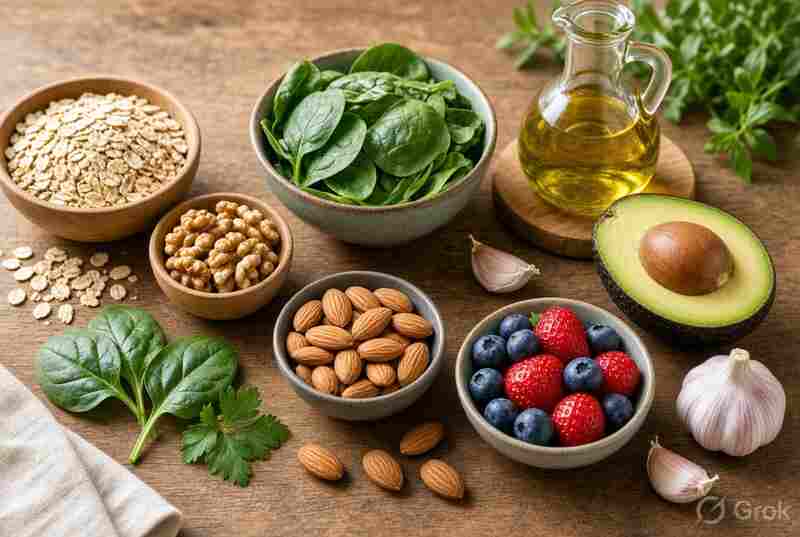
Soluble fibre binds to cholesterol in the digestive system and helps remove it from the body. The best everyday sources include:
- Oats and oat bran
- Methi (fenugreek) seeds
- Apples, guava, and citrus fruits
- Beans, chana, and other legumes
- Vegetables such as carrots and okra (bhindi)
Starting the day with a bowl of oats or adding roasted methi seeds to meals is a simple and effective habit.
2. Replace Unhealthy Fats with Better Options
Not all fats are equal. Reduce intake of:
- Deep-fried foods
- Bakery items made with vanaspati or dalda
- Excess butter and cream
- Processed meats and packaged snacks
Instead, include moderate amounts of:
- Nuts (especially almonds and walnuts)
- Seeds (flax, chia, pumpkin)
- Avocado (when available)
- Cold-pressed oils in limited quantities
- Fatty fish if non-vegetarian
Walnuts and almonds have particularly good evidence for supporting healthier cholesterol levels when eaten in controlled portions (a small handful daily).
3. Add Plant Sterols and Specific Foods
Certain foods contain natural compounds that help block cholesterol absorption:
- Garlic (raw or lightly cooked)
- Green leafy vegetables
- Soy products in moderation
- Barley and whole grains
Including garlic regularly in cooking is an easy traditional practice that supports heart health.
4. Move Your Body Consistently
Exercise raises HDL (good cholesterol) and helps lower LDL and triglycerides. You do not need extreme workouts. Effective options include:
- Brisk walking 30–45 minutes most days
- Cycling or swimming
- Strength training 2–3 times a week
- Yoga combined with moderate cardio
Even daily walking after meals improves insulin sensitivity and supports better lipid metabolism.
5. Lose Excess Weight (Especially Belly Fat)
Carrying extra weight, particularly around the abdomen, is strongly linked to higher triglycerides and lower HDL. Losing even 5–7% of body weight can produce noticeable improvements in cholesterol numbers for many people.
Focus on sustainable changes rather than crash diets. Portion control, higher protein meals, and reduced sugar often work better than extreme restriction.
6. Reduce Sugar and Refined Carbohydrates
High intake of sugar and refined carbs raises triglycerides and can worsen the overall cholesterol profile. Cut down on:
- Sugary drinks and packaged juices
- Sweets and desserts
- White bread, maida-based foods, and biscuits
Replace them with whole grains, millets, fruits, and balanced meals.
7. Manage Stress and Sleep
Chronic stress and poor sleep affect hormones that influence cholesterol metabolism. Prioritising 7–8 hours of sleep and using simple stress-reduction techniques (walking, breathing exercises, or hobbies) supports better results from diet and exercise.
Sample Daily Approach
- Morning: Oats with nuts or methi water
- Meals: Plenty of vegetables, dal, moderate roti or rice, salad
- Snacks: A small handful of almonds or walnuts
- Movement: 30–40 minutes of walking or exercise
- Night: Light early dinner and consistent sleep
When Lifestyle Alone May Not Be Enough
Natural methods work very well for many people, especially when cholesterol is mildly or moderately elevated. However, if levels remain very high, if there is a strong family history of heart disease, or if you already have other risk factors (diabetes, high BP, smoking), medical advice and possibly medication are important. Never stop prescribed medicine without consulting your doctor.
Frequently Asked Questions
How long does it take to see results?
Many people see improvement in 6–12 weeks of consistent diet and exercise changes. Blood tests after 3 months give a clear picture.
Can I eat eggs if I have high cholesterol?
For most people, moderate egg consumption (3–5 whole eggs per week) is acceptable when the overall diet is healthy. Focus more on reducing fried foods and sugar than on completely eliminating eggs.
Is ghee completely restricted?
Small amounts of pure ghee in an otherwise balanced diet are usually fine. The bigger problem is large quantities of fried food and processed fats.
Final Words
Natural ways to lower high cholesterol centre on increasing soluble fibre, improving the quality of fats, moving daily, managing weight, and reducing sugar. These changes are sustainable and deliver benefits beyond just cholesterol numbers — better energy, improved digestion, and long-term heart protection. Start with one or two habits (such as daily oats and walking), stay consistent, and build from there. Regular monitoring with your doctor ensures you are on the right track.