
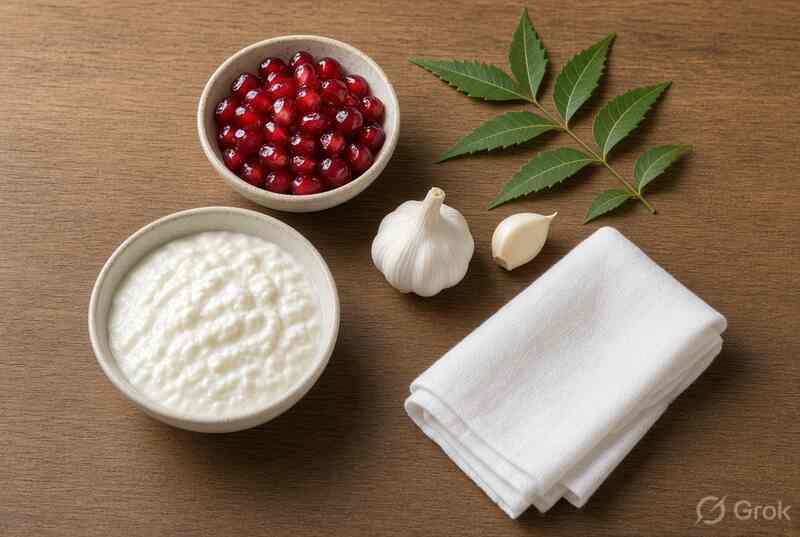
How to Manage White Discharge at Home
White discharge is a normal part of a woman’s reproductive cycle. It helps keep the vagina clean and maintains healthy moisture levels. However, changes in colour, consistency, smell, or volume can cause discomfort and concern. Many women look for ways to manage white discharge at home while understanding when it is necessary to see a doctor.
This guide explains what is considered normal, common causes of changes, and practical home care strategies for everyday management.
Understanding Normal White Discharge
Normal discharge is usually clear or milky white, may vary in thickness throughout the menstrual cycle, and does not have a strong unpleasant odour. It often increases around ovulation, during pregnancy, or with sexual arousal. Slight variations are common and usually not a cause for worry.
When Discharge May Need Attention
Seek medical advice if you notice:
- Strong foul or fishy smell
- Green, yellow, or grey colour
- Significant itching, burning, or redness
- Cottage-cheese like thick discharge with irritation
- Discharge accompanied by pelvic pain or fever
These can indicate infections such as bacterial vaginosis, yeast infection, or other conditions that require proper treatment.
Home Care and Management Tips
1. Maintain Good Hygiene
Clean the outer genital area gently with plain water. Avoid harsh soaps, vaginal washes, and douching, as they can disrupt the natural balance of bacteria and worsen discharge.
2. Wear Breathable Cotton Underwear
Choose cotton underwear and avoid tight synthetic clothing for long periods. Change out of wet clothes (after exercise or swimming) promptly.
3. Probiotic Support
Plain curd (yogurt) containing live cultures may support healthy vaginal flora when consumed regularly. Some women also find probiotic foods helpful as part of overall diet.
4. Stay Hydrated and Eat Balanced Meals
Good overall health supports mucosal health. Include a variety of vegetables, adequate protein, and limit excessive sugar, which can sometimes influence yeast balance.
5. Manage Moisture
Keep the area dry. After bathing or swimming, gently pat dry. Avoid prolonged use of pantyliners if they create a constantly moist environment.
6. Reduce Irritants
Scented pads, strong detergents, and fabric softeners can irritate sensitive skin. Switch to mild, unscented options when possible.
Lifestyle Factors That Influence Discharge
- Hormonal changes (cycle phase, pregnancy, contraceptives)
- Stress and lack of sleep
- Antibiotics (which can affect good bacteria)
- Diabetes or high blood sugar
- Sexual activity and new partners
When Home Management Is Not Enough
Home care is suitable for normal physiological discharge and mild temporary changes. Persistent abnormal symptoms, especially with itching, odour, or discomfort, should be evaluated by a doctor. Self-treating infections with random home remedies can sometimes delay proper care.
Frequently Asked Questions
Is daily white discharge normal?
Yes, many women have some degree of daily discharge. The key is whether it is accompanied by other bothersome symptoms.
Can diet affect discharge?
Diet influences overall health and microbiome balance. High sugar intake may contribute to yeast overgrowth in some individuals.
Should I stop using pantyliners?
If you use them for comfort, change them frequently and choose breathable options. Constant use can sometimes increase moisture and irritation.
Final Words
Managing white discharge at home primarily involves good hygiene, breathable clothing, supporting overall health, and avoiding irritants. Most daily discharge is normal and does not require treatment. Learn to recognise your own usual pattern so you can notice meaningful changes early. When symptoms suggest infection or cause significant discomfort, professional medical evaluation is the safest next step. Gentle, consistent care supports comfort and confidence.