
Post-Pregnancy Belly Fat Reduction Tips for Indian Mothers
After delivery, many Indian mothers feel concerned about the remaining belly fat and loose abdominal skin. The body undergoes major changes during pregnancy, and the abdominal muscles, skin, and fat distribution need time and the right approach to recover. Crash diets and intense workouts too soon can do more harm than good, especially while breastfeeding.
This guide provides realistic, safe post-pregnancy belly fat reduction tips tailored for Indian mothers, focusing on nutrition, gentle movement, rest, and patience.
Understanding Post-Pregnancy Body Changes
During pregnancy the abdominal muscles stretch (sometimes separating — a condition called diastasis recti), the uterus expands, and fat is stored to support the baby and breastfeeding. After delivery, the uterus takes about 6–8 weeks to return to its approximate pre-pregnancy size. Fat loss and muscle recovery take longer and vary greatly from person to person.
When to Start Focusing on Belly Fat
Most doctors advise waiting until the 6-week postnatal check-up before starting structured exercise. Mothers who had a C-section usually need more time. Always get clearance from your doctor before beginning any exercise program.
Best Tips for Safe Belly Fat Reduction
1. Prioritize Nutrition Over Restriction
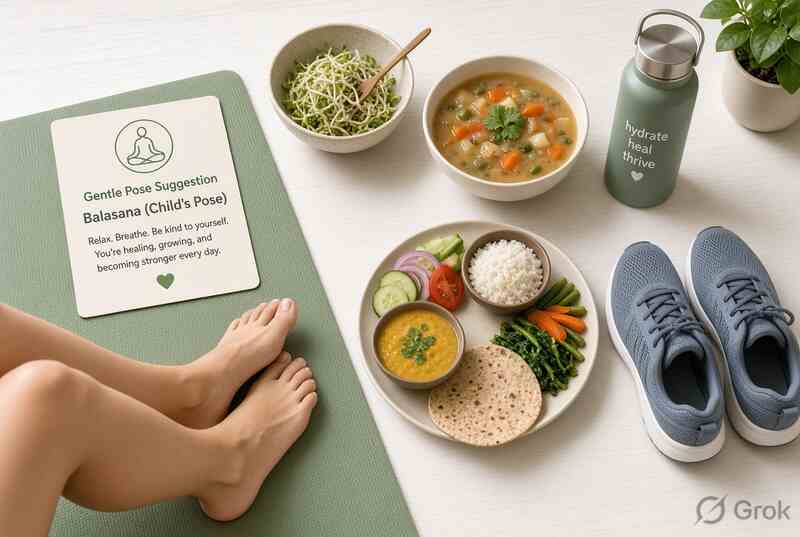
Breastfeeding mothers need adequate calories and nutrients. Focus on whole foods: dal, paneer, eggs, vegetables, fruits, nuts, seeds, and sufficient healthy fats. Avoid very low-calorie diets as they can reduce milk supply and energy levels.
2. Start with Walking
Daily walking is one of the safest and most effective starting points. Begin with short, gentle walks and gradually increase duration. Walking improves circulation, mood, and overall calorie expenditure without stressing the healing body.
3. Core Recovery First (Not Crunches)
Traditional crunches can worsen abdominal separation if done too early. Focus first on deep breathing, pelvic tilts, and gentle transverse abdominis activation. A physiotherapist trained in postnatal care can guide safe core recovery exercises.
4. Strength Training After Clearance
Once approved by your doctor, add light strength training 2–3 times a week. Stronger muscles improve metabolism and posture. Include lower body and upper body movements along with safe core work.
5. Stay Consistent with Protein
Adequate protein supports muscle recovery and satiety. Include a protein source in every major meal — dal, curd, paneer, eggs, or sprouts.
6. Manage Stress and Sleep
New motherhood is demanding. High stress and broken sleep raise cortisol, which can make belly fat harder to lose. Accept help, rest when possible, and lower expectations of perfection.
7. Hydration and Digestion
Proper hydration and good digestion reduce bloating that can make the belly appear larger. Warm water, jeera water, and fibre-rich foods help.
Realistic Timeline and Expectations
Most mothers notice gradual improvement over 6–12 months. Some take longer, especially after multiple pregnancies or C-sections. Comparing your body to others or to pre-pregnancy photos too soon often leads to unnecessary frustration.
What to Avoid
- Crash diets and extreme calorie restriction
- Intense abdominal exercises too early
- Waist trainers or extreme binding for long hours
- Comparing your journey with celebrities or social media
Frequently Asked Questions
Can I reduce belly fat while breastfeeding?
Yes. Gradual fat loss is possible and safe while breastfeeding, provided calorie intake remains adequate.
How long does it take for the belly to reduce?
Visible changes often begin after 3–6 months of consistent habits, but full recovery can take a year or more.
Is it normal for the belly to feel soft after delivery?
Yes. The skin and muscles need time to regain tone. This is completely normal.
Final Words
Post-pregnancy belly fat reduction for Indian mothers works best with patience, nourishing food, daily walking, gradual core recovery, and adequate rest. There is no need for extreme measures. Focus on getting stronger and healthier rather than rushing to “bounce back.” Your body has done something remarkable — support it with kindness and consistency, and results will follow at a safe pace.