
Best Foods for PCOS Weight Management
Polycystic Ovary Syndrome (PCOS) makes weight management more challenging due to insulin resistance, hormonal imbalance, and increased inflammation. Many women with PCOS find that conventional low-calorie diets do not work well or lead to intense cravings and energy crashes. The right food choices can improve insulin sensitivity, reduce inflammation, and support gradual, sustainable weight loss.
This guide focuses on the best foods for PCOS weight management within an Indian context, along with practical meal ideas and habits that make a real difference.
Why Weight Loss Is Harder with PCOS
Insulin resistance means the body does not use insulin efficiently, leading to higher insulin levels that promote fat storage (especially around the abdomen). Hormonal imbalances can also increase hunger and make it harder to feel full. Chronic low-grade inflammation further complicates the process.
Best Foods to Include
1. High-Fibre Vegetables and Salads
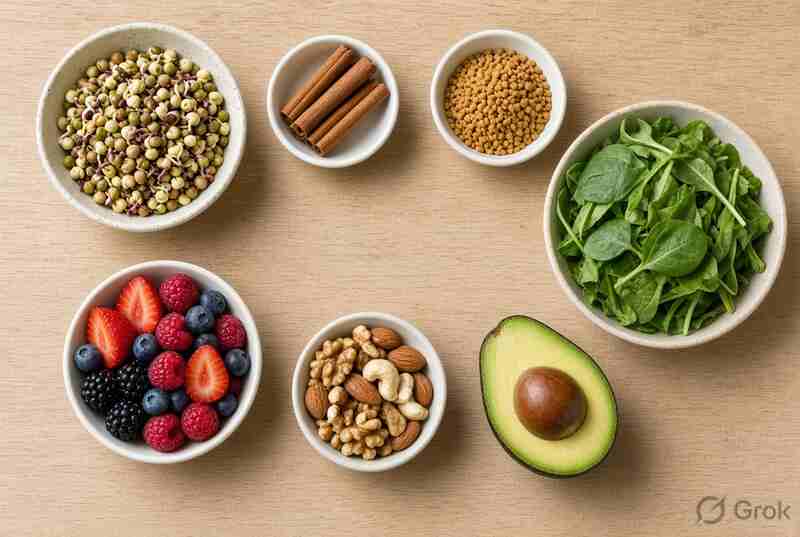
Non-starchy vegetables such as leafy greens, cucumber, bottle gourd, cabbage, broccoli, and tomatoes help control blood sugar and keep you full. Aim to fill half the plate with vegetables at major meals.
2. Protein-Rich Foods
Adequate protein is essential. Include dal, paneer, sprouts, eggs (if non-vegetarian), Greek yogurt or thick curd, and soya in controlled amounts. Protein stabilizes blood sugar and reduces cravings.
3. Cinnamon
Cinnamon has been studied for its potential to improve insulin sensitivity. Adding a small amount to curd, oats, or warm water is an easy habit.
4. Fenugreek (Methi) Seeds
Soaked methi seeds are traditionally used and may support blood sugar control. Consume the soaked seeds or the water in the morning.
5. Healthy Fats in Moderation
Nuts (almonds, walnuts), seeds (flax, chia, pumpkin), and small amounts of ghee or avocado support hormone production and satiety. Portion control is important.
6. Low-Glycemic Fruits
Berries, guava, apple, and papaya in moderate portions are better choices than high-sugar fruits. Pair fruit with a protein source when possible.
7. Whole Grains in Controlled Portions
Prefer millets, quinoa, oats, and small amounts of brown rice or multigrain roti instead of refined flour and white rice.
Foods to Limit
- Sugar, sweets, and sweetened beverages
- Refined flour (maida) products
- Fruit juices and large portions of high-GI fruits
- Excessive packaged and processed foods
- Very large portions of white rice and potatoes
Practical Daily Structure for PCOS
- Start the day with protein + fibre (e.g., moong chilla or eggs + vegetables)
- Include protein in every meal and snack
- Do not skip meals – long gaps can worsen insulin response and cravings
- Finish dinner relatively early
- Walk for 20–30 minutes after meals when possible
Additional Supportive Habits
- Strength training 2–3 times a week improves insulin sensitivity
- Prioritize sleep – poor sleep worsens hormonal balance
- Manage stress – high cortisol affects both weight and PCOS symptoms
- Track progress through measurements and energy levels, not only the scale
Frequently Asked Questions
Can I lose weight with PCOS without medication?
Many women improve symptoms and lose weight through diet, exercise, and lifestyle changes alone. Others benefit from medical support alongside these efforts.
How much weight loss helps PCOS symptoms?
Even 5–10% of body weight loss can significantly improve insulin sensitivity and menstrual regularity for many women.
Are fruits completely restricted?
No. Low-glycemic fruits in moderate portions are fine and provide important nutrients.
Final Words
The best foods for PCOS weight management emphasize high fibre, adequate protein, healthy fats, and blood-sugar-friendly carbohydrates. Cinnamon, methi, leafy vegetables, sprouts, curd, and controlled portions of whole grains form a strong foundation. Combine these food choices with strength training, good sleep, and stress management for the most sustainable results. Progress may be slower than expected, but consistency produces meaningful long-term improvements in both weight and overall hormonal health.