
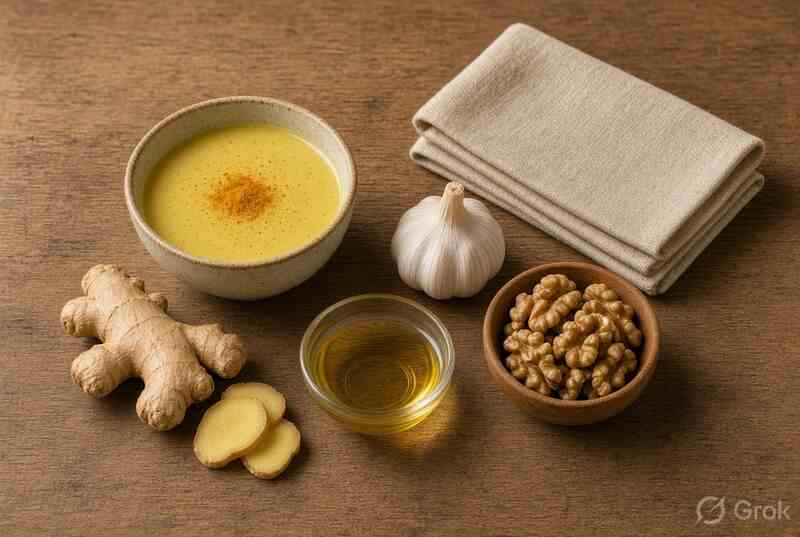
Natural Ways to Reduce Joint Pain in Winters
Joint pain often worsens in winter. Many people notice increased stiffness, aching knees, finger pain, or lower back discomfort as temperatures drop. Cold weather can reduce blood flow to the joints, increase muscle tightness, and make existing conditions like arthritis more noticeable. While medical treatment is important for chronic issues, several natural methods can provide meaningful relief and improve daily comfort.
This guide covers practical, natural ways to reduce joint pain in winters using common Indian ingredients, simple therapies, and lifestyle adjustments that are easy to follow at home.
Why Joint Pain Increases in Winter
Cold temperatures cause muscles and ligaments to tighten. Reduced physical activity during winter further contributes to stiffness. For people with osteoarthritis or rheumatoid arthritis, the drop in barometric pressure and temperature can increase inflammation and pain sensitivity. Dehydration and lower vitamin D levels in winter also play a role.
Best Natural Remedies for Winter Joint Pain
1. Turmeric Milk (Haldi Doodh)
Turmeric contains curcumin, which has natural anti-inflammatory properties. A glass of warm turmeric milk at night is one of the most popular and effective home remedies.
Add a small pinch of black pepper to improve absorption. Drink it consistently for better results.
2. Ginger
Ginger helps improve circulation and reduces inflammation. Fresh ginger tea or adding ginger to meals can provide relief over time.
You can also warm ginger paste and apply it externally on the affected joint (test on a small area first).
3. Sesame Oil Massage
Warm sesame oil is excellent for winter joint care. Massaging the affected joints with warm sesame oil improves blood flow and reduces stiffness.
Do this before a warm bath for better absorption. Mustard oil is another traditional option in many Indian households.
4. Garlic
Garlic has anti-inflammatory compounds. Including 1–2 crushed garlic cloves in cooking or taking it with warm water (if tolerated) can support joint health.
5. Epsom Salt Soak or Warm Compress
Soaking in warm water with Epsom salt (if available) or simply using a warm compress on painful joints helps relax muscles and ease stiffness. Do this for 15–20 minutes.
6. Omega-3 Rich Foods
Walnuts, flaxseeds, and chia seeds provide plant-based omega-3 fats that support joint health. A small handful of walnuts daily is beneficial.
7. Stay Warm and Layer Clothing
Keeping the joints warm is one of the simplest and most effective strategies. Wear thermal layers, use blankets, and avoid sudden exposure to cold air.
Daily Habits That Help
- Do gentle joint mobility exercises every morning (ankle rotations, knee bends, shoulder rolls)
- Stay lightly active – short walks inside the house are better than complete rest
- Maintain a healthy weight to reduce pressure on knee and hip joints
- Drink enough water even in winter – dehydration worsens joint discomfort
- Get morning sunlight when possible for natural vitamin D
Foods to Prefer and Limit
Prefer: Turmeric, ginger, garlic, sesame seeds, walnuts, green leafy vegetables, warm soups and khichdi.
Limit: Excess refined sugar, very cold foods and drinks, and heavy fried items that can increase inflammation.
When to Consult a Doctor
Seek medical advice if joint pain is severe, accompanied by swelling and redness, or significantly limits daily activities. Natural methods work best as supportive care alongside proper diagnosis.
Frequently Asked Questions
How long before natural remedies show results?
Many people feel some relief within a few days of oil massage and turmeric milk. Consistent use for 2–3 weeks gives better outcomes.
Is exercise safe when joints are painful?
Gentle movement is usually helpful. Avoid high-impact activities during flare-ups and focus on range-of-motion exercises.
Can these methods help with arthritis?
They can reduce symptoms and improve comfort, but they do not replace medical treatment for arthritis.
Final Words
Natural ways to reduce joint pain in winters focus on warmth, anti-inflammatory foods, gentle movement, and improved circulation. Turmeric milk, sesame oil massage, ginger, and consistent mild activity form a strong foundation. Start with these simple steps and stay consistent through the cold months for better joint comfort and mobility.