
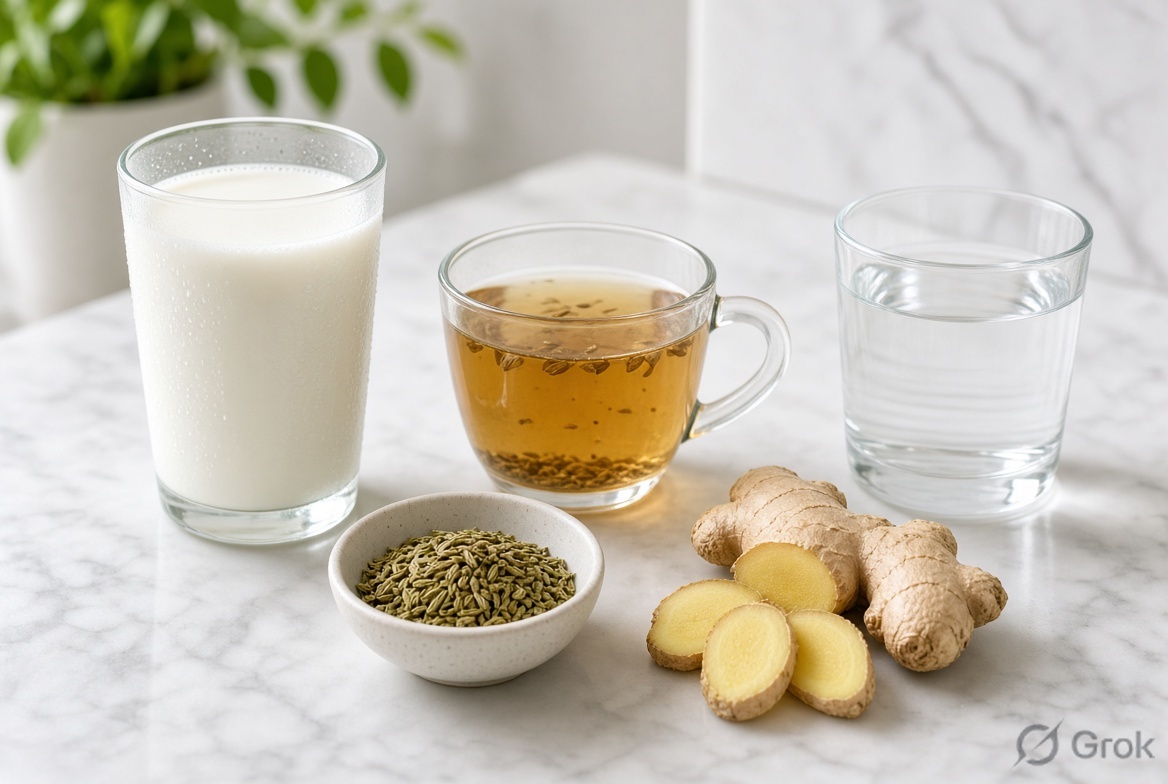
Home Remedies for Acidity
Acidity (acid reflux or heartburn) occurs when stomach acid flows back into the food pipe, causing a burning sensation in the chest, sour taste in the mouth, bloating, or discomfort. Occasional acidity is common, but frequent episodes can affect quality of life and sleep.
This guide shares practical home remedies for acidity that help many people find relief and reduce the frequency of symptoms.
Common Triggers of Acidity
- Large or heavy meals
- Spicy, oily, or fried foods
- Lying down immediately after eating
- Excess tea, coffee, or carbonated drinks
- Stress and irregular meal timings
- Obesity and tight clothing around the waist
- Smoking and excess alcohol
1. Cold Milk or Buttermilk
A small glass of cold milk or thin buttermilk (chaas) can neutralise acid for some people and provide quick soothing relief. Avoid adding sugar.
2. Jeera (Cumin) Water
Boil one teaspoon of cumin seeds in a glass of water, strain, and sip warm. Jeera water is a traditional and widely used remedy that helps with digestion and reduces bloating.
3. Fennel Seeds (Saunf)
Chewing a pinch of fennel seeds after meals or drinking fennel tea can help reduce gas and acidity. It has a cooling effect on the digestive system.
4. Ginger
Fresh ginger tea or sucking a small piece of fresh ginger can help calm the stomach. Ginger supports digestion and reduces nausea that sometimes accompanies acidity.
5. Elevate the Head While Sleeping
If acidity occurs at night, raise the head end of the bed by 6–8 inches or use an extra pillow. This uses gravity to keep acid in the stomach.
6. Eat Smaller, Frequent Meals
Large meals increase pressure on the stomach. Eating smaller portions more frequently reduces the chance of acid reflux.
7. Avoid Lying Down After Meals
Wait at least 2–3 hours after a meal before lying down or going to bed. This simple habit prevents many night-time acidity episodes.
Daily Habits That Reduce Acidity
- Eat dinner early
- Chew food thoroughly
- Limit fried, very spicy, and heavily processed foods
- Reduce tea and coffee if they trigger symptoms
- Manage stress with walking or breathing exercises
- Maintain a healthy body weight
What to Avoid During an Acidity Episode
- Citrus juices and tomatoes (for some people)
- Chocolate and mint (can relax the lower oesophageal sphincter)
- Carbonated drinks
- Tight belts or waistbands
- Smoking
When to See a Doctor
Consult a doctor if acidity occurs more than twice a week, is severe, causes difficulty swallowing, leads to unintentional weight loss, or does not improve with lifestyle changes. Persistent symptoms may need medical evaluation and treatment.
Frequently Asked Questions
How quickly do home remedies work?
Remedies such as cold milk, jeera water, or fennel can provide relief within 15–30 minutes for many people.
Is it safe to take antacids regularly?
Occasional use is generally fine, but frequent long-term use should be discussed with a doctor, as it may mask underlying issues.
Can stress cause acidity?
Yes. Stress can increase acid production and make symptoms worse. Managing stress often reduces the frequency of episodes.
Final Words
Home remedies for acidity such as cold milk or buttermilk, jeera water, fennel seeds, ginger, smaller meals, and not lying down after eating provide effective relief for many people. Combining these with early dinners, weight management, and stress control significantly reduces how often acidity occurs. Persistent or severe symptoms should be evaluated by a doctor.