
Home Remedies for Headache Without Medicine
Headaches are one of the most common reasons people reach for painkillers. Tension headaches, mild migraines, and headaches caused by stress, dehydration, or lack of sleep can often be managed with simple home remedies. While severe or frequent headaches need medical attention, many everyday headaches respond well to natural methods.
This guide shares practical home remedies for headache without medicine that you can try safely at home.
Common Types of Everyday Headaches
- Tension headache – tight band-like pain, often linked to stress or poor posture
- Dehydration headache – dull pain that improves with fluids
- Sinus-related headache – pressure around forehead and eyes
- Caffeine or sleep-related headache
Identifying the likely trigger helps you choose the right remedy.
1. Cold or Warm Compress
For many people, a cold compress on the forehead or back of the neck reduces pain by constricting blood vessels. Others prefer a warm compress to relax tight muscles. Try both and see what works for you. Apply for 10–15 minutes.
2. Ginger Tea
Ginger has natural anti-inflammatory properties and is especially helpful for headaches accompanied by nausea. Boil fresh ginger slices in water for 5–7 minutes and sip slowly.
3. Peppermint or Menthol
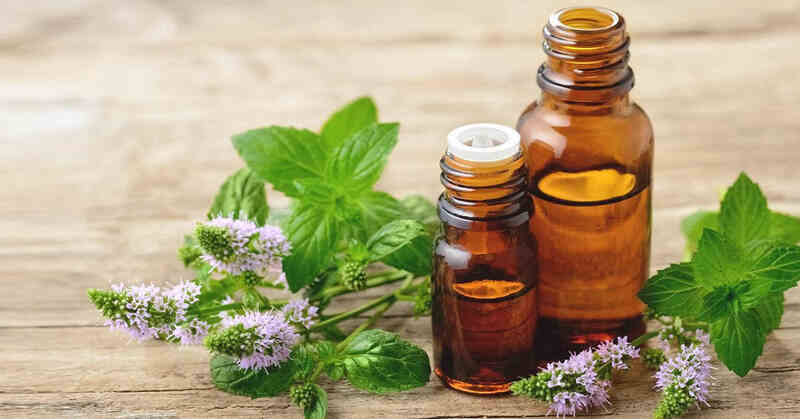
Peppermint oil diluted with a carrier oil can be gently applied to the temples and forehead (avoid eyes). The cooling sensation often provides quick relief for tension headaches. Fresh peppermint tea is another option.
4. Stay Hydrated
Even mild dehydration can trigger or worsen a headache. Drink water slowly. Adding a pinch of salt and lemon sometimes helps if you have been sweating or drinking too much caffeine.
5. Rest in a Dark, Quiet Room
Light and noise sensitivity are common during headaches. Lying down in a dark, quiet space with eyes closed allows the nervous system to settle. Many headaches improve significantly with 20–30 minutes of rest.
6. Gentle Neck and Shoulder Stretch
Tension often builds in the neck and shoulders. Slow neck rotations, shoulder rolls, and gentle stretches can release muscle tightness that contributes to headache pain.
7. Manage Triggers
- Maintain regular sleep schedule
- Do not skip meals
- Limit excess caffeine and then sudden withdrawal
- Take screen breaks (20-20-20 rule)
- Practice simple breathing exercises during stress
Additional Supportive Measures
A small amount of caffeine can help some people at the start of a headache, but regular overuse creates rebound headaches. Magnesium-rich foods (seeds, nuts, leafy greens) support long-term headache reduction for some individuals.
When to See a Doctor
Seek immediate medical help if the headache is sudden and severe (“worst headache of your life”), accompanied by fever, stiff neck, vision changes, weakness, confusion, or follows a head injury. Frequent headaches that interfere with daily life also need professional evaluation.
Frequently Asked Questions
How fast do home remedies work?
Cold compress, rest, and hydration often bring noticeable relief within 20–40 minutes. Ginger and peppermint may take a bit longer but support overall comfort.
Can I use these remedies for migraine?
They can help with mild migraines, especially when used early. Severe migraines often need specific medical treatment.
Is it okay to massage the head during a headache?
Gentle massage of the temples, scalp, and neck helps many people. Avoid strong pressure if it increases pain.
Final Words
Home remedies for headache without medicine focus on reducing triggers and supporting the body’s natural recovery. Cold or warm compresses, ginger, peppermint, proper hydration, rest in a dark room, and gentle stretching form a practical toolkit. Most mild to moderate headaches improve with these methods when applied early. Pay attention to your personal triggers and build better daily habits around sleep, hydration, and stress. For persistent or severe headaches, always consult a doctor to rule out underlying causes.