
Home Remedies for Frequent Nightfall
Nightfall (nocturnal emission) is the involuntary ejaculation of semen during sleep. Occasional nightfall is considered normal, especially in younger men or during periods of high stress or sexual abstinence. However, when it becomes frequent — several times a week — it can lead to anxiety, fatigue, guilt, and reduced confidence. Many men seek natural ways to reduce the frequency without medication.
This guide shares practical home remedies, dietary suggestions, and lifestyle adjustments that have traditionally been used and that support overall nervous system and reproductive health.
Understanding Frequent Nightfall
Nightfall can be influenced by multiple factors: high stress, erotic dreams, constipation, spicy food, excess body heat, weak nervous control, hormonal fluctuations, and sometimes underlying anxiety about sexual performance. In Ayurveda it is often linked to aggravated Vata and excess mental stimulation.
Effective Home Remedies and Practices
1. Ashwagandha
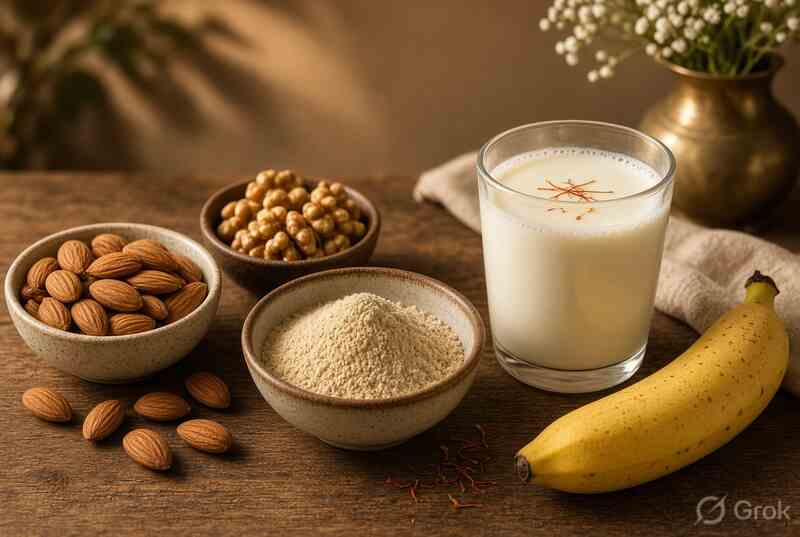
Ashwagandha is one of the most valued adaptogenic herbs for stress and nervous system support. Taking a small amount of ashwagandha powder with warm milk at night is a traditional recommendation for men dealing with frequent nightfall and related anxiety.
2. Warm Milk with Almonds and Saffron
A classic remedy. Soak a few almonds overnight, grind them, and boil with milk. Add a pinch of saffron. Drink this at night. It is considered nourishing for the nervous system and reproductive tissues.
3. Banana and Soaked Nuts
Banana provides potassium and easy energy. Combined with soaked almonds or walnuts, it offers a gentle, grounding snack in the evening that many find helpful.
4. Avoid Overstimulation Before Bed
Reduce exposure to explicit content, intense screens, and stimulating conversations late at night. The mind carries impressions into sleep, which can trigger emissions.
5. Physical Activity and Tiredness
Regular physical exercise, especially in the evening, helps channel energy and promotes deeper, less restless sleep. A tired body often experiences fewer nightfalls.
6. Manage Constipation
Constipation and gas can increase pressure in the pelvic region and contribute to nightfall in some men. Include fibre-rich foods, warm water, and light walking to maintain regular bowel movements.
7. Cooling and Grounding Foods
Reduce excessive spicy, fried, and heating foods if you feel internal heat. Favour simple, nourishing meals, especially at night.
Lifestyle Adjustments That Make a Difference
- Maintain a consistent sleep schedule
- Practice deep breathing or light meditation before bed
- Wear loose, comfortable clothing while sleeping
- Empty the bladder before sleep
- Reduce excessive caffeine, especially late in the day
- Limit alcohol
Mental and Emotional Aspects
Anxiety about nightfall itself can create a cycle that increases frequency. Understanding that occasional nightfall is physiologically normal helps reduce the mental pressure. Focusing on overall health rather than obsessing over each episode produces better long-term results.
When to Seek Medical Advice
Consult a doctor if:
- Nightfall is accompanied by pain, burning, or discharge
- There is significant fatigue, weight loss, or other systemic symptoms
- Anxiety around the issue is severely affecting daily life or relationships
- You have other sexual health concerns
Frequently Asked Questions
Is frequent nightfall harmful?
Occasional nightfall is not harmful. Very frequent episodes combined with anxiety and poor recovery can affect energy and confidence, which is why addressing the contributing factors is useful.
How long do home remedies take to work?
Many men notice a reduction in frequency within 2–4 weeks of consistent lifestyle and dietary changes, though results vary.
Can exercise stop nightfall completely?
Exercise helps regulate energy and improves sleep quality, which often reduces frequency, but it is not a complete guarantee on its own.
Final Words
Home remedies for frequent nightfall focus on calming the nervous system, reducing mental overstimulation, improving sleep quality, and supporting the body with nourishing foods and herbs such as ashwagandha, almonds, and warm milk. Combining these with regular physical activity, stress management, and reduced late-night stimulation offers the most reliable path to improvement. Be patient and consistent. The goal is not absolute elimination of a normal physiological process, but restoring balance so that nightfall becomes occasional rather than disruptive.