
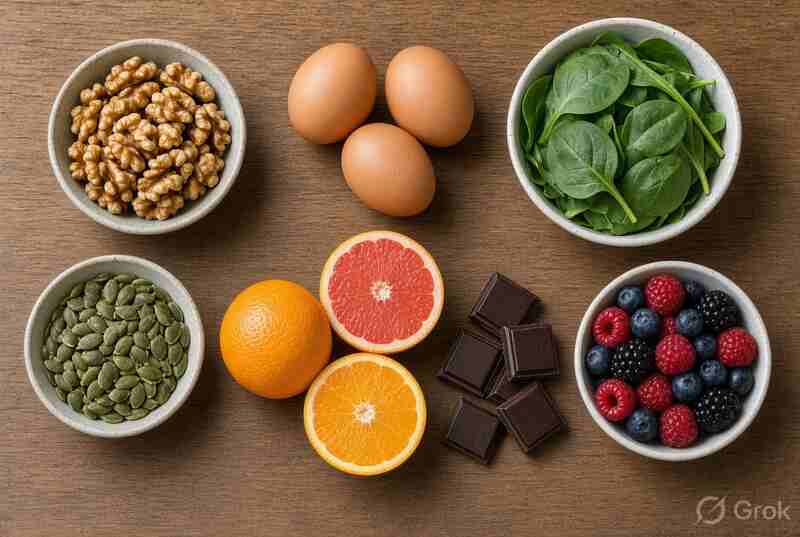
Best Foods for Better Sperm Health
Sperm health includes count, motility (movement), morphology (shape), and DNA integrity. Diet plays a meaningful role in supporting these parameters. Oxidative stress, nutrient deficiencies, excess body fat, and poor lifestyle habits can negatively affect sperm quality. The good news is that several foods and nutrients have been associated with better reproductive markers in men.
This guide highlights the best foods for better sperm health and practical ways to include them in a regular Indian diet.
Key Nutrients That Support Sperm Health
- Antioxidants (vitamins C and E, selenium, zinc)
- Omega-3 fatty acids
- Folate and B vitamins
- Zinc and magnesium
- Healthy fats and adequate protein
Best Foods to Include
1. Walnuts
Walnuts are rich in omega-3 fats and antioxidants. Studies have linked regular walnut consumption with improved sperm vitality and morphology.
2. Pumpkin Seeds
High in zinc and magnesium, pumpkin seeds support hormone production and sperm development. A small handful daily is a practical addition.
3. Eggs
Eggs provide high-quality protein, vitamin B12, and selenium. They are an easy and affordable way to support overall reproductive nutrition.
4. Leafy Greens and Spinach
Rich in folate, which is important for DNA synthesis and sperm health. Include spinach, methi, and other greens regularly.
5. Citrus Fruits and Berries
Vitamin C is a powerful antioxidant that helps protect sperm from oxidative damage. Oranges, amla, lemons, and berries are excellent choices.
6. Dark Chocolate (in Moderation)
Contains antioxidants and L-arginine. Small amounts of good-quality dark chocolate can be included as part of a balanced diet.
7. Tomatoes and Cooked Tomato Products
Lycopene, especially available from cooked tomatoes, has been studied for its potential benefits on sperm parameters.
8. Fatty Fish or Plant Omega-3 Sources
Omega-3 fats support sperm membrane health. Include fish if acceptable, or rely on flaxseeds, chia, and walnuts.
Foods and Habits to Limit
- Excessive processed meats and very high saturated fat intake
- Heavy alcohol consumption
- Smoking and tobacco
- Excessive soy in very large quantities (moderate amounts are generally fine)
- Trans fats and ultra-processed snacks
Lifestyle Factors That Matter
- Maintain a healthy body weight
- Exercise regularly but avoid extreme overtraining
- Manage heat exposure to the testicular area (avoid prolonged laptop use on the lap, tight clothing, and excessive sauna use)
- Prioritise sleep and stress reduction
- Stay hydrated
Frequently Asked Questions
How long does diet take to affect sperm health?
Sperm development takes approximately 70–90 days. Consistent dietary changes usually need 2–3 months to show measurable impact.
Can supplements replace food?
Food should be the foundation. Targeted supplements may help in confirmed deficiencies under professional guidance.
Does heat really affect sperm?
Yes. Elevated scrotal temperature can temporarily reduce sperm quality. Simple habits help minimise this.
Final Words
The best foods for better sperm health emphasise antioxidants, zinc, omega-3 fats, folate, and overall nutrient density. Walnuts, pumpkin seeds, eggs, leafy greens, citrus fruits, and lycopene-rich foods form a strong nutritional base. Combine these with healthy body weight, regular movement, good sleep, and reduced toxic exposures for the most meaningful support. Consistency over several months is key, as sperm production is a continuous cycle.