
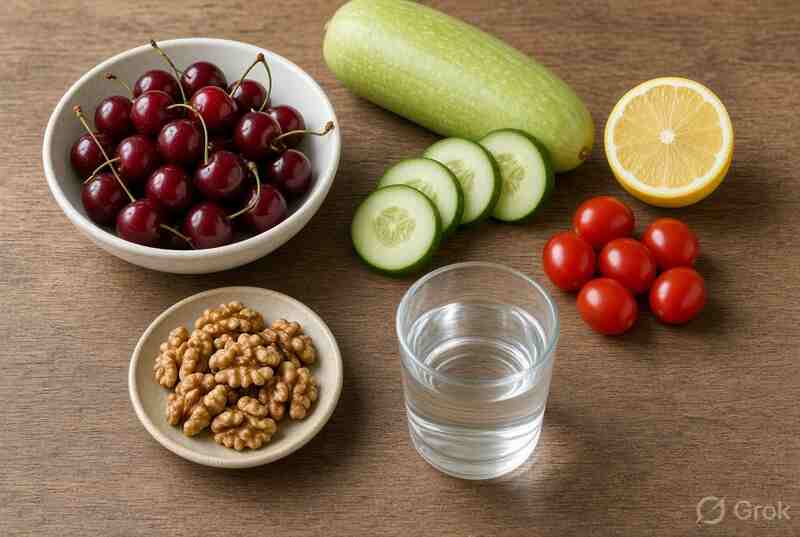
Foods That Help Reduce Uric Acid Levels Naturally
High uric acid is becoming increasingly common in India due to changing diets, higher intake of red meat, sugary drinks, alcohol, and refined foods. When uric acid levels rise, it can lead to gout, joint pain, kidney stones, and long-term kidney stress. Many people immediately turn to medicines, but diet plays a major role in both raising and lowering uric acid levels.
This detailed guide covers the best foods that help reduce uric acid levels naturally, foods you should limit, practical daily meal ideas, and lifestyle habits that support better uric acid control. The information is based on established nutritional principles and real-world results seen with Indian dietary patterns.
Understanding Uric Acid and Why It Rises
Uric acid is produced when the body breaks down purines (natural substances found in certain foods and also produced by the body). Normally, the kidneys filter uric acid and remove it through urine. When production is high or removal is low, levels rise in the blood.
Common reasons for high uric acid in India include:
- High intake of red meat, organ meats, and seafood
- Regular consumption of sugary drinks and fruit juices
- Alcohol, especially beer
- Obesity and metabolic syndrome
- Dehydration and low water intake
- Certain medications and genetic tendency
Diet cannot cure high uric acid completely in every case, but it can significantly lower levels and reduce the frequency of gout attacks when followed consistently.
Best Foods That Help Reduce Uric Acid Levels Naturally
1. Low-Fat Dairy Products (Curd and Milk)
Studies show that low-fat dairy can help lower uric acid. Curd (especially homemade) and toned milk are excellent choices. The proteins in dairy appear to help the body excrete more uric acid.
How to use: One bowl of plain curd daily and a glass of milk (if tolerated) work well for most people.
2. Cherries and Cherry Juice
Cherries are one of the most researched foods for uric acid and gout. They contain anthocyanins that help reduce inflammation and may lower uric acid levels.
Fresh cherries are ideal when in season. Otherwise, unsweetened cherry juice (in moderation) can be used.
3. Vitamin C Rich Foods
Vitamin C helps the kidneys remove uric acid more effectively. Best Indian sources include amla, lemon, oranges, guava, and bell peppers.
Starting the day with warm lemon water or adding lemon to meals is a simple and effective habit.
4. Vegetables – Especially Cucumber, Bottle Gourd and Leafy Greens
Most vegetables are low in purines and high in water and fibre. Cucumber, lauki (bottle gourd), tinda, cabbage, and leafy greens are particularly helpful because they support hydration and kidney function.
Avoid or limit only a few high-purine vegetables such as spinach, cauliflower, and mushrooms if levels are very high (moderation is usually fine).
5. Whole Grains and Complex Carbohydrates in Moderation
Oats, barley, brown rice, and millets (in controlled portions) are better than refined flour and white rice. They provide steady energy without spiking insulin excessively.
6. Nuts and Seeds in Controlled Amounts
Walnuts, almonds, and flaxseeds in small quantities provide healthy fats and are generally safe. Avoid excessive amounts as they are calorie dense.
7. Water and Hydrating Foods
Proper hydration is one of the most powerful natural ways to lower uric acid. When you drink enough water, the kidneys can flush out more uric acid.
Aim for 3–3.5 litres of water daily unless restricted by a doctor. Include water-rich foods like cucumber, watermelon (in moderation), and oranges.
8. Coffee (in Moderation)
Some research shows that moderate coffee intake is associated with lower uric acid levels. Black coffee without sugar is preferable.
Foods to Limit or Avoid
- Red meat, organ meats (liver, kidney), and excessive chicken
- Seafood especially shellfish, sardines, and mackerel
- Alcohol (beer is particularly problematic)
- Sugary soft drinks and fruit juices
- High-fructose foods and packaged sweets
- Yeast extracts and some gravies
Practical Daily Diet Approach for Lowering Uric Acid
Morning: Warm lemon water + a few soaked almonds
Breakfast: Vegetable oats or moong dal chilla + curd
Mid-morning: Cucumber or a small portion of cherries/guava
Lunch: 1–2 multigrain rotis + large portion of lauki/tinda/cabbage sabzi + dal + salad with lemon
Evening: Roasted chana or a small handful of walnuts + herbal tea
Dinner: Light khichdi or vegetable soup + curd + salad
Keep dinner relatively light and finish at least 2.5–3 hours before sleep.
Lifestyle Habits That Support Lower Uric Acid
- Maintain healthy body weight – even 5–7 kg loss can improve levels
- Exercise regularly but avoid extreme crash workouts during high uric acid phases
- Manage stress – high stress can worsen inflammation
- Limit alcohol completely if levels are high
- Get regular blood tests to track progress
Frequently Asked Questions
Can diet alone normalize high uric acid?
In mild to moderate cases, yes. In higher levels or with frequent gout attacks, medication may still be needed along with diet.
Is tomato bad for uric acid?
Tomatoes are generally fine for most people in normal amounts. Only a small percentage of people report sensitivity.
How long does it take to see results?
Many people notice improvement in joint comfort within 3–6 weeks. Blood levels usually take 6–12 weeks of consistent diet to show meaningful change.
Can I eat dal if I have high uric acid?
Yes, most dals are moderate in purines and can be included. Avoid very large portions of certain dals if advised by your doctor.
Final Words
Foods that help reduce uric acid levels naturally focus on hydration, low-purine vegetables, low-fat dairy, vitamin C sources, and overall calorie control. The Indian diet can be easily adapted by emphasising lauki, cucumber, curd, lemon, and whole foods while reducing red meat, alcohol, and sugar. Consistency over months matters more than short-term strict restriction. Combine diet with regular walking and proper water intake for the best long-term results.