
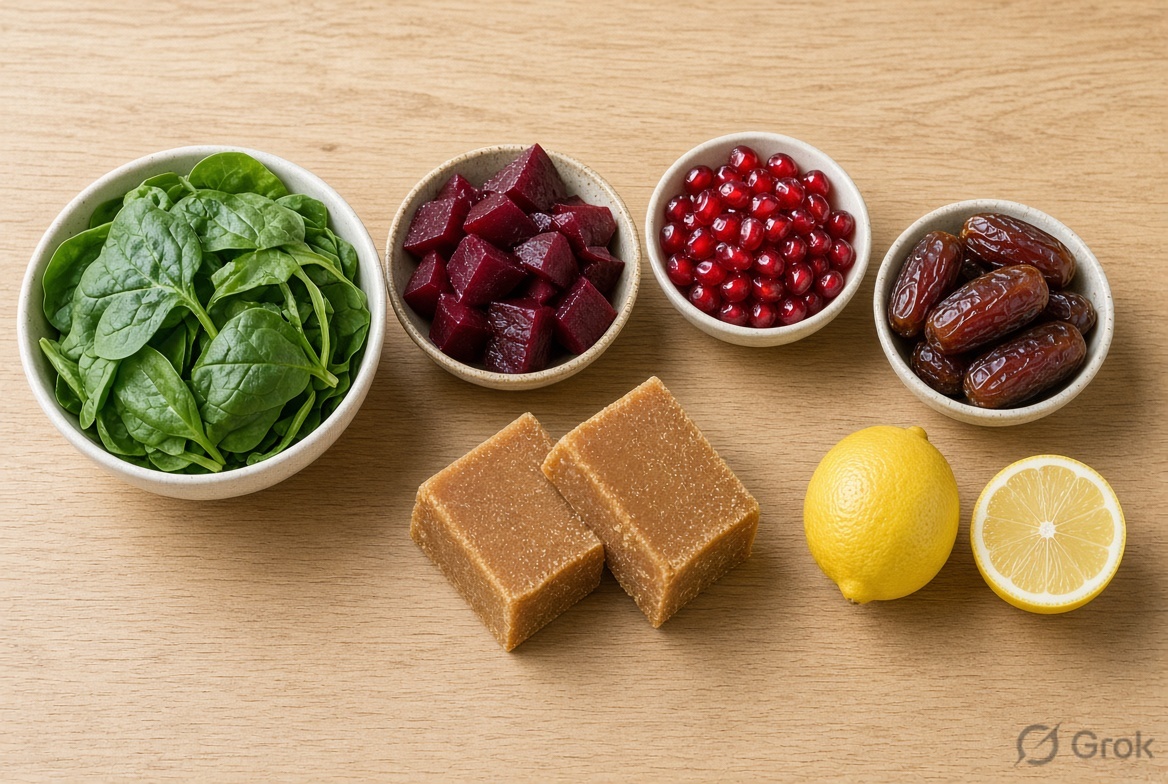
Best Foods to Increase Haemoglobin Naturally
Low haemoglobin is a very common problem in India, especially among women, teenagers, and people with poor dietary habits. Feeling tired all the time, getting breathless while climbing stairs, pale skin, dizziness, and frequent headaches are classic signs of low haemoglobin. While iron supplements are often prescribed, many people prefer to improve their levels naturally through food first.
In this detailed guide, you will learn the best foods to increase haemoglobin naturally, how to combine them for better absorption, common mistakes that block iron absorption, and a practical daily meal approach that actually works for Indian households.
Why Haemoglobin Drops
Haemoglobin is the protein in red blood cells that carries oxygen. When iron, vitamin B12, or folate is low, the body cannot make enough healthy red blood cells. In India, the most common reasons are:
- Low intake of iron-rich foods
- High consumption of tea and coffee with meals (they block iron absorption)
- Heavy periods in women
- Poor digestion and gut health
- Vegetarian diets that lack proper iron combinations
The good news is that consistent intake of the right foods can gradually raise haemoglobin levels within 6–12 weeks for many people.
Best Iron-Rich Foods Available in India
1. Spinach (Palak) and Other Green Leafy Vegetables
Spinach, methi, bathua, and amaranth leaves are excellent sources of non-heme iron. Cooking them lightly and adding a source of vitamin C improves absorption significantly.
Best way to eat: Make palak dal, light palak sabzi with lemon, or mix greens in roti atta.
2. Beetroot
Beetroot is famous for supporting blood health. It contains folate, iron, and natural nitrates that help improve blood flow and oxygen delivery.
How to use: Grate raw beetroot into salads, make beetroot raita, or drink fresh beetroot + carrot + lemon juice 2–3 times a week.
3. Pomegranate (Anar)
Pomegranate is rich in iron and antioxidants. Eating one medium pomegranate daily or drinking fresh anar juice (without sugar) is a popular traditional remedy.
4. Jaggery (Gur) with Seeds
A small piece of jaggery with roasted flaxseeds or sesame seeds after meals is an old Indian practice for improving blood. Jaggery contains iron and also helps with digestion.
5. Dates (Khajoor) and Raisins
Dates and black raisins are concentrated sources of iron and energy. Soak 4–5 dates or a small handful of raisins overnight and eat them in the morning.
6. Legumes and Dals
Masoor dal, chana dal, rajma, and black chickpeas provide both iron and protein. Always combine them with vitamin C rich foods for better absorption.
7. Seeds – Pumpkin, Sesame and Flaxseeds
These seeds are nutrient dense. Just 1–2 tablespoons daily can contribute meaningful iron and healthy fats.
8. Moringa (Drumstick Leaves) and Amla
Moringa leaves are extremely rich in iron and vitamins. Amla is one of the best sources of vitamin C, which is essential for iron absorption.
How to Improve Iron Absorption
Eating iron-rich foods is not enough. You must help your body absorb the iron. Follow these rules:
- Always pair iron foods with vitamin C (lemon, amla, orange, tomato)
- Avoid tea, coffee, and milk for at least 45–60 minutes before and after iron-rich meals
- Do not take calcium supplements with iron-rich meals
- Add a little ghee or oil – healthy fat helps nutrient absorption
- Keep gut health good – constipation reduces nutrient uptake
Sample Daily Diet to Increase Haemoglobin
- Morning: Soaked raisins + 1 date + warm water with lemon
- Breakfast: Moong dal chilla with mint chutney + 1 small bowl curd
- Mid-morning: Pomegranate or orange
- Lunch: 2 rotis + masoor dal + palak sabzi + salad with lemon
- Evening: Handful of roasted chana + jaggery
- Dinner: Vegetable khichdi with beetroot raita or light dal + sabzi
Common Mistakes That Keep Haemoglobin Low
- Drinking chai immediately after meals
- Eating only raw spinach in large quantities (oxalates can reduce absorption)
- Relying only on one food (like only beetroot)
- Ignoring B12 and folate deficiency (especially in strict vegetarians)
- Not treating underlying issues like heavy periods or poor gut health
How Long Does It Take to See Improvement?
With consistent diet changes, many people notice better energy in 2–3 weeks. Blood test improvements usually show in 6–10 weeks. Severe deficiency may still need medical supplements along with food.
Frequently Asked Questions
Can I increase haemoglobin in 1 month with food only?
Mild deficiency can improve in 4–6 weeks. Moderate to severe cases usually need medical support along with diet.
Is beetroot juice enough?
No. Beetroot helps but works best when combined with other iron and vitamin C foods.
Should vegetarians take iron supplements?
Not always. Many vegetarians improve levels with proper food combinations. Get a blood test first.
Final Words
The best foods to increase haemoglobin naturally are easily available in every Indian kitchen – greens, beetroot, pomegranate, jaggery, dates, dals, and seeds. The real key is consistency and correct combinations (especially with vitamin C). Follow the approach for at least 8 weeks and get your levels rechecked. Your energy and overall health will thank you.