
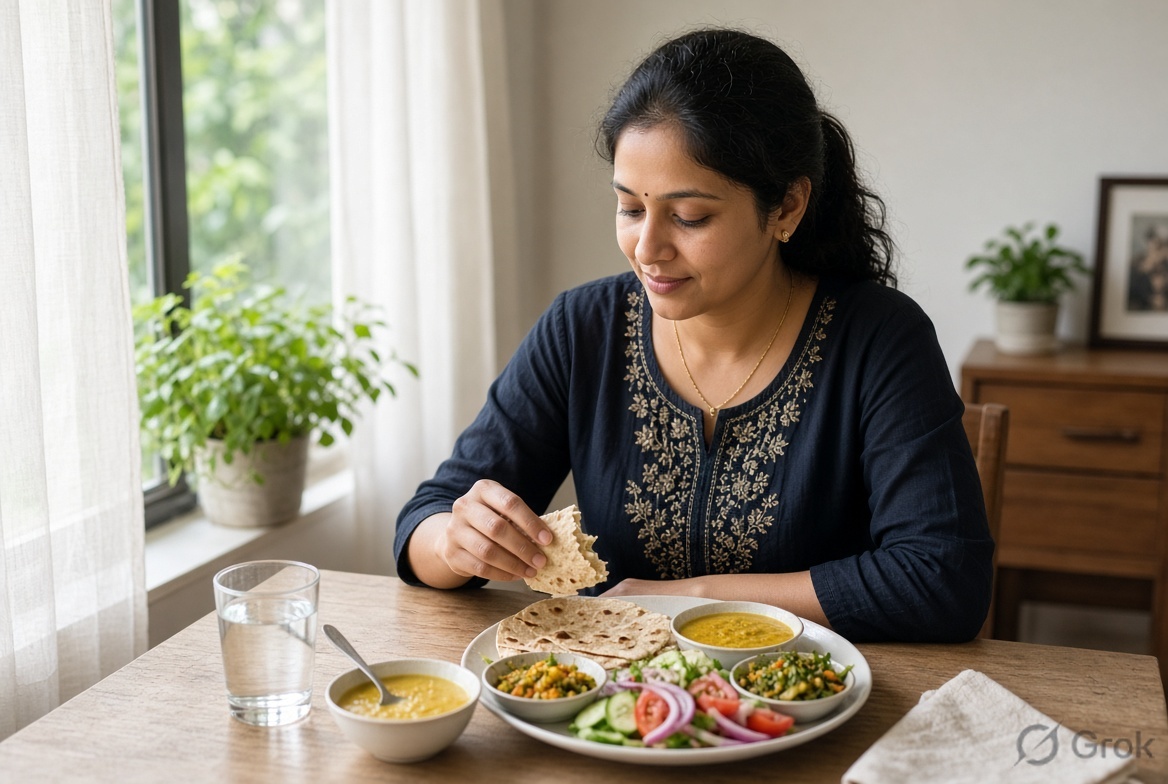
Is Intermittent Fasting Safe for Indian Women?
Intermittent fasting has become very popular in India in the last few years. Many women are trying 16:8 or 14:10 fasting methods for weight loss and better health. But the question remains – is intermittent fasting actually safe for Indian women?
The answer is not a simple yes or no. It depends on the woman’s age, lifestyle, stress levels, hormonal health, and how the fasting is practised. This detailed guide will give you an honest and practical view based on real experiences of Indian women.
What is Intermittent Fasting?
Intermittent fasting is not a diet. It is an eating pattern where you cycle between periods of eating and fasting. The most common methods are:
- 16:8 – Fast for 16 hours, eat within 8 hours
- 14:10 – Fast for 14 hours, eat within 10 hours
- 12:12 – Easiest starting point
- OMAD – One meal a day (not recommended for most women)
Potential Benefits for Indian Women
When done correctly, intermittent fasting can offer several benefits:
- Helps in reducing weight and belly fat
- Improves insulin sensitivity
- Supports better digestion
- May improve mental clarity
- Helps control binge eating in some women
Many Indian women have reported better energy and clothes fitting better after 4–6 weeks of proper intermittent fasting.
Important Risks and Concerns for Women
Women’s bodies are more sensitive to calorie restriction and stress than men’s bodies because of hormonal balance (especially reproductive hormones).
Possible side effects if done incorrectly:
- Irregular periods or missed periods
- Increased stress and anxiety
- Hair fall
- Sleep disturbance
- Feeling cold or low energy
- Binge eating during the eating window
Women who already have PCOS, thyroid issues, high stress, or are underweight need to be extra careful.
Who Should Avoid Intermittent Fasting?
- Pregnant and breastfeeding women
- Women with history of eating disorders
- Those with very heavy periods or hormonal imbalance (without doctor guidance)
- Underweight women
- Women under high chronic stress
- Teenage girls
Safest Way for Indian Women to Start
If you want to try intermittent fasting, follow these safer guidelines:
- Start with 12:12 or 13:11 method
- After 2–3 weeks, move to 14:10 if you feel good
- Avoid 16:8 in the beginning
- Never skip dinner completely if you have family responsibilities or low energy
- Eat enough protein and healthy fats in the eating window
- Listen to your body – if periods get disturbed, stop immediately
Best Eating Window for Indian Lifestyle
For most Indian women, an eating window from 9:00 AM to 7:00 PM or 10:00 AM to 8:00 PM works well. This allows normal family breakfast and dinner.
Avoid late-night eating even if it falls within your window.
What to Eat During the Eating Window
Fasting is not an excuse to eat junk food. Focus on:
- High protein (dal, paneer, curd, eggs, soya)
- Plenty of vegetables
- Healthy fats (ghee in small quantity, nuts, seeds)
- Complex carbs (millets, quinoa, brown rice in moderation)
Signs That Intermittent Fasting Is Not Suiting You
- Periods become irregular
- Constant irritability or anxiety
- Hair fall increases
- Sleep quality drops
- You start bingeing heavily
If any of these happen, stop fasting and return to normal balanced meals.
Frequently Asked Questions
Can women with PCOS do intermittent fasting?
Some women with PCOS benefit, but many do not. It is better to consult a doctor or nutritionist before starting.
Is 16:8 safe for Indian women?
It can be safe for some, but many Indian women do better with 14:10. Start slower.
Can I drink tea or coffee during fasting?
Black tea, black coffee, or green tea without sugar and milk is usually allowed. Avoid milk and sugar.
How long should I follow intermittent fasting?
There is no need to do it forever. Many women use it for 8–12 weeks and then switch to normal balanced eating.
Final Verdict
Intermittent fasting can be safe for many Indian women when started slowly and practised mindfully. However, it is not compulsory for weight loss or health. A balanced diet with proper protein, good sleep, and daily walking often gives similar results without hormonal risks. Always listen to your body and prioritise long-term health over quick results.