
How to Balance Hormones After 30 Without Medicines
After the age of 30, many women notice changes in energy, mood, menstrual patterns, skin, weight distribution, and sleep. These shifts are often linked to evolving hormonal patterns involving estrogen, progesterone, insulin, cortisol, and thyroid function. While medical evaluation is important when symptoms are significant, many women can support better hormonal balance through consistent lifestyle and dietary strategies.
This guide focuses on practical, natural ways to support hormone balance after 30 without relying on medicines, while emphasising when professional medical advice is still necessary.
Common Hormonal Changes After 30
- More noticeable PMS or cycle irregularity
- Increased difficulty managing weight, especially around the abdomen
- Changes in skin and hair
- Sleep disturbances
- Lower stress resilience
- Shifts in libido or energy
Foundational Strategies for Hormone Support
1. Stabilise Blood Sugar
Insulin resistance becomes more common with age and significantly affects other hormones. Focus on protein-rich meals, fibre, and avoiding large sugar spikes. Include cinnamon, fenugreek, and adequate vegetables.
2. Prioritise Strength Training and Movement
Muscle tissue improves insulin sensitivity and supports healthy hormone production. Aim for 2–3 strength sessions per week along with daily walking.
3. Manage Stress and Cortisol
Chronic stress elevates cortisol, which can disrupt other hormones. Simple daily practices such as walking, breathing exercises, journaling, or short meditation help.
4. Support Liver Health
The liver processes hormones. Include cruciferous vegetables (broccoli, cabbage, cauliflower), leafy greens, and adequate fibre to support healthy estrogen metabolism.
5. Healthy Fats Are Essential
Hormones are made from cholesterol and fatty acids. Include nuts, seeds (especially flax and pumpkin), avocado, and moderate amounts of ghee or other quality fats.
6. Optimise Sleep
Poor sleep disrupts cortisol, insulin, and reproductive hormones. Aim for consistent sleep and wake times and reduce screen exposure at night.
7. Maintain a Healthy Body Weight
Both excess body fat and being underweight can disrupt hormonal balance. Focus on sustainable habits rather than extreme dieting.
Helpful Foods and Ingredients
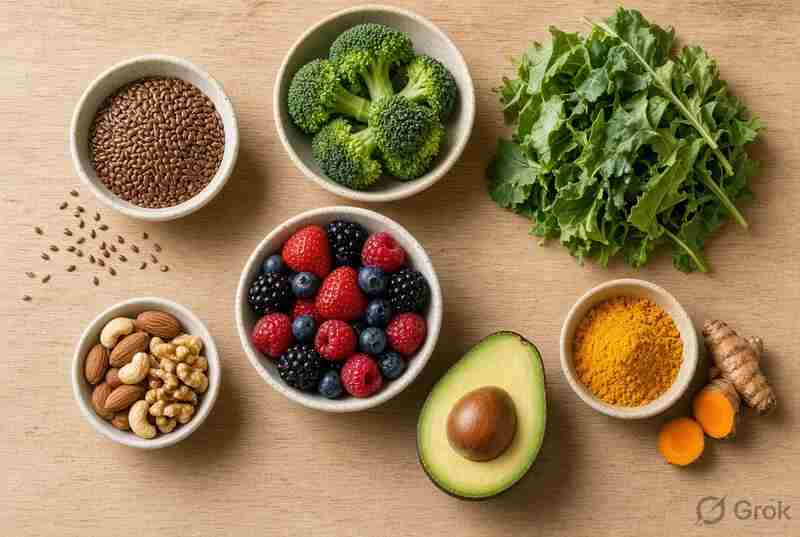
- Flaxseeds (ground) – support estrogen balance
- Leafy greens and cruciferous vegetables
- Berries and colourful vegetables (antioxidants)
- Nuts and seeds
- Turmeric and ginger
- Adequate protein at each meal
What to Limit
- Excess refined sugar and ultra-processed foods
- Chronic sleep deprivation
- Over-exercising combined with under-eating
- Excessive alcohol
- High, unrelenting stress without recovery
When to See a Doctor
Natural strategies support overall balance but do not replace medical care. Consult a doctor if you experience very irregular cycles, severe symptoms, unexplained weight changes, or signs of thyroid or other endocrine issues. Blood tests can provide clarity.
Frequently Asked Questions
Can diet alone balance hormones after 30?
Diet is a powerful foundation, but sleep, stress management, and movement are equally important. Results are best when all areas are addressed.
How long does it take to notice improvement?
Many women notice better energy and cycle regularity within 2–3 months of consistent habits.
Are supplements necessary?
Not always. Focus first on food and lifestyle. Targeted supplements may help in specific deficiencies under professional guidance.
Final Words
Balancing hormones after 30 without medicines centres on stabilising blood sugar, building strength, managing stress, supporting the liver, prioritising sleep, and eating nutrient-dense foods. These strategies create an environment in which the body can regulate hormones more effectively. Be consistent, patient, and willing to adjust based on how your body responds. When symptoms are significant, combine these approaches with proper medical evaluation for the best outcome.